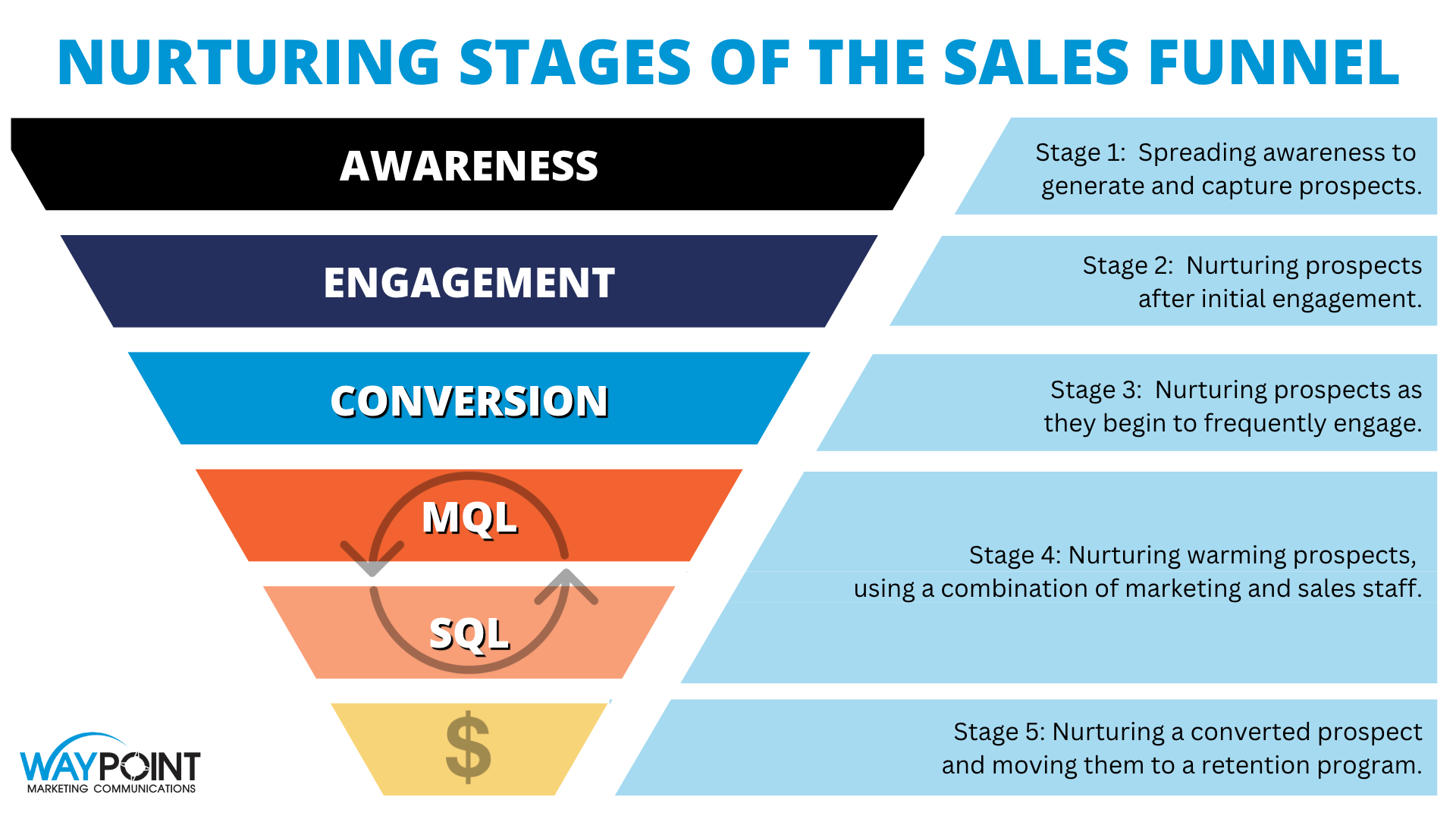

In digital marketing, generating leads is only Step 1.
The real transformation happens after the lead enters your system — when you guide them from interest → trust → conversion.
This process is called Lead Nurturing, and it is one of the most powerful growth strategies for any business, whether you sell services, coaching, products, or run a D2C brand.
This blog explains the complete lead nurturing framework in a simple, educational way so you understand exactly how brands convert cold audiences into loyal customers.
What Is Lead Nurturing?
Lead nurturing is the process of building relationships with people who have shown interest in your business.
Instead of trying to sell instantly, you focus on:
- Educating
- Adding value
- Answering doubts
- Showing proof
- Building trust
Leads don’t buy because you run a great ad.
They buy because you consistently stay in front of them with the right message at the right time.
Why Lead Nurturing Matters
Many businesses spend money on ads but get no sales.
The reason? They stop after lead generation.
Studies show that:
- Only 3% of leads buy instantly
- 40–60% buy within 30–90 days IF nurtured properly
- Retargeting reduces cost per sale by 50–70%
Without nurturing, most of your leads go cold.
With nurturing, you build a predictable conversion engine.
1. Custom Audiences: The Base of Lead Nurturing
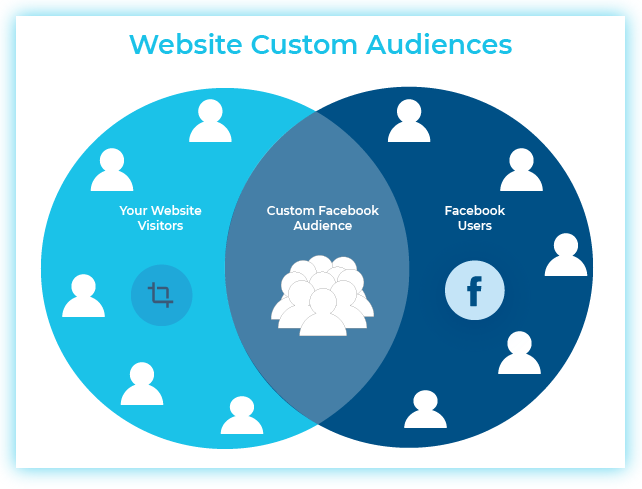
Custom audiences are a feature inside Facebook Ads that allow you to target people who already interacted with your business.
These are high-quality audiences because they already know you.
Types of Custom Audiences Explained
A. Website Visitors
Created using Facebook Pixel.
Includes people who:
- Visited your website
- Viewed a product/service
- Added to cart
- Viewed blog pages
- Reached checkout
These people have express interest → High intent audience.
B. Social Media Engagers
People who:
- Liked your posts
- Commented
- Messaged
- Saved your content
- Viewed your reels/videos
Perfect for nurturing because they already trust your brand.
C. Customer Lists
Upload your email list, lead list, or existing client list.
Used for:
- Upsells
- Repeat sales
- Event promotions
- Reminders
D. Video Viewers
People who watched your videos 25%, 50%, 75% or 95%.
These are warm audiences ready for next-step retargeting.
2. Retargeting: Turning Interest Into Action
Retargeting means showing ads to people who have already interacted with your brand but haven’t taken the final action yet.
It is the most profitable type of advertising.
Why Retargeting Works
- People rarely buy the first time
- They need reminders
- They need trust
- They need clarity
- They need social proof
Retargeting gives them exactly that.
Types of Retargeting Ads (With Purpose)
1. Website Retargeting
Target people who visited your site but did not convert.
Show them:
- Testimonials
- Benefits
- Offers
- Trust-building content
Purpose → Push them towards conversion.
2. Add-to-Cart Retargeting
These people were one click away from buying.
Show:
- “Your cart is waiting” messages
- Urgency-based offers
- Discounts or free delivery
- Customer reviews
Purpose → Reduce cart abandonment.
3. Social Media Retargeting
For Facebook or Instagram engagers.
Show:
- Offer ads
- Case studies
- Value posts
- Social proof
Purpose → Warm them up for buying.
4. Lead Form Retargeting
For people who opened your form but didn’t submit.
Show:
- “Almost done!” reminders
- CTA-focused ads
- Problem-solving videos
Purpose → Improve lead form conversions.
3. Consistent Follow-Up: The Hidden Secret of High-Converting Campaigns
Most leads go cold simply because nobody follows up.
A proper follow-up system turns dead leads into active buyers.
Channels for Consistent Follow-Up
- Facebook retargeting ads
- Email sequences
- WhatsApp broadcasts
- SMS reminders
- Calling (for services or high-ticket)
- Instagram DMs
Different leads respond on different channels, so use multiple touchpoints.
Follow-Up Structure That Works for Every Business
A. Awareness Follow-Up
Teach them something valuable.
Help them identify their problem.
Examples:
- Educational videos
- How-to posts
- Problem-solution content
B. Consideration Follow-Up
Show them why your solution works.
Examples:
- Testimonials
- Reviews
- Demos
- Case studies
- Behind-the-scenes
C. Conversion Follow-Up
Push them to take the final step.
Examples:
- Offers
- Urgency
- Bonuses
- Discounts
- Free consultations
D. Post-Purchase Follow-Up
Turn buyers into repeat customers.
Examples:
- Thank-you ads
- Upsell offers
- Feedback requests
- Loyalty rewards
Putting It All Together: The Lead Nurturing Machine
Here’s how the entire system works as a flow:
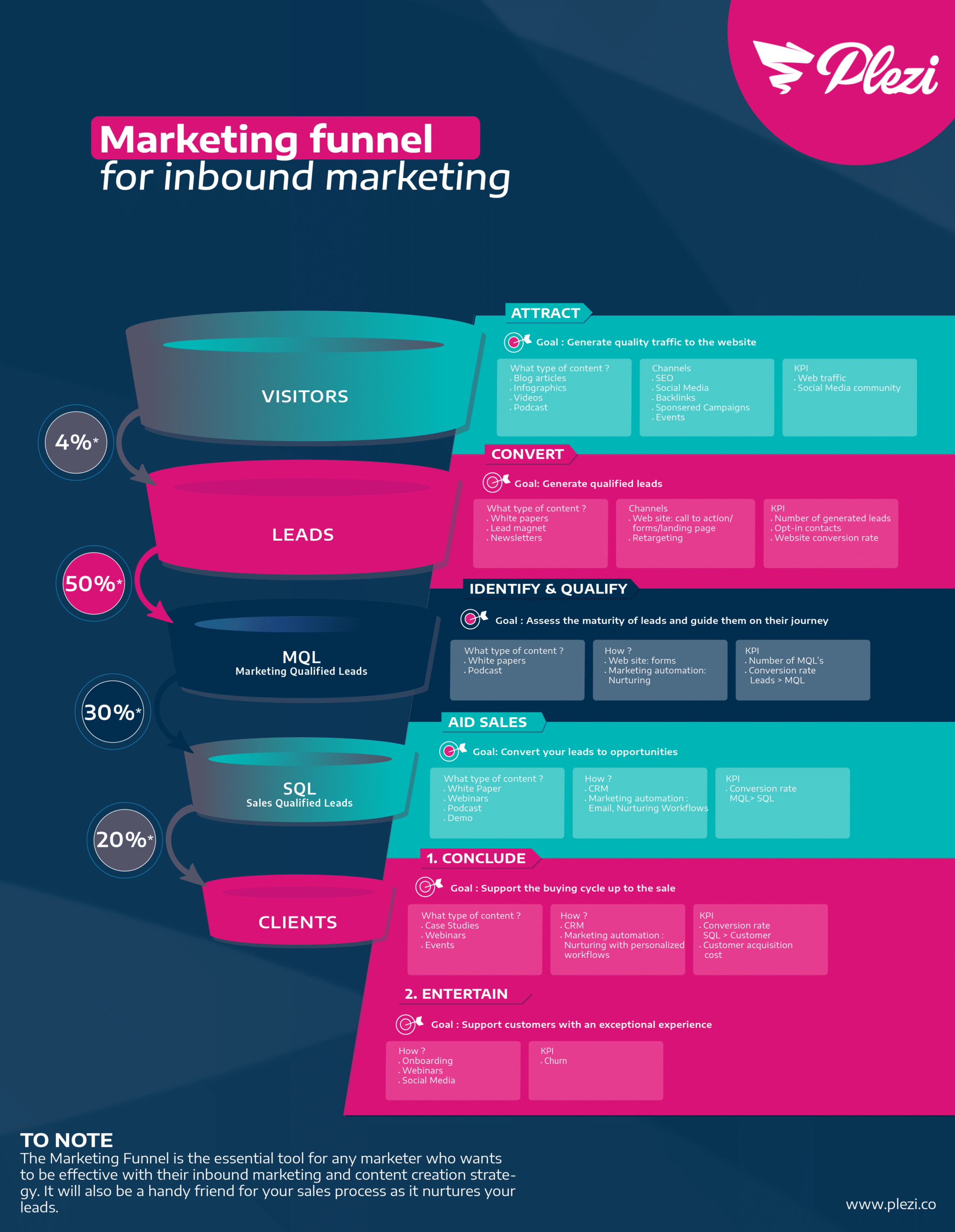
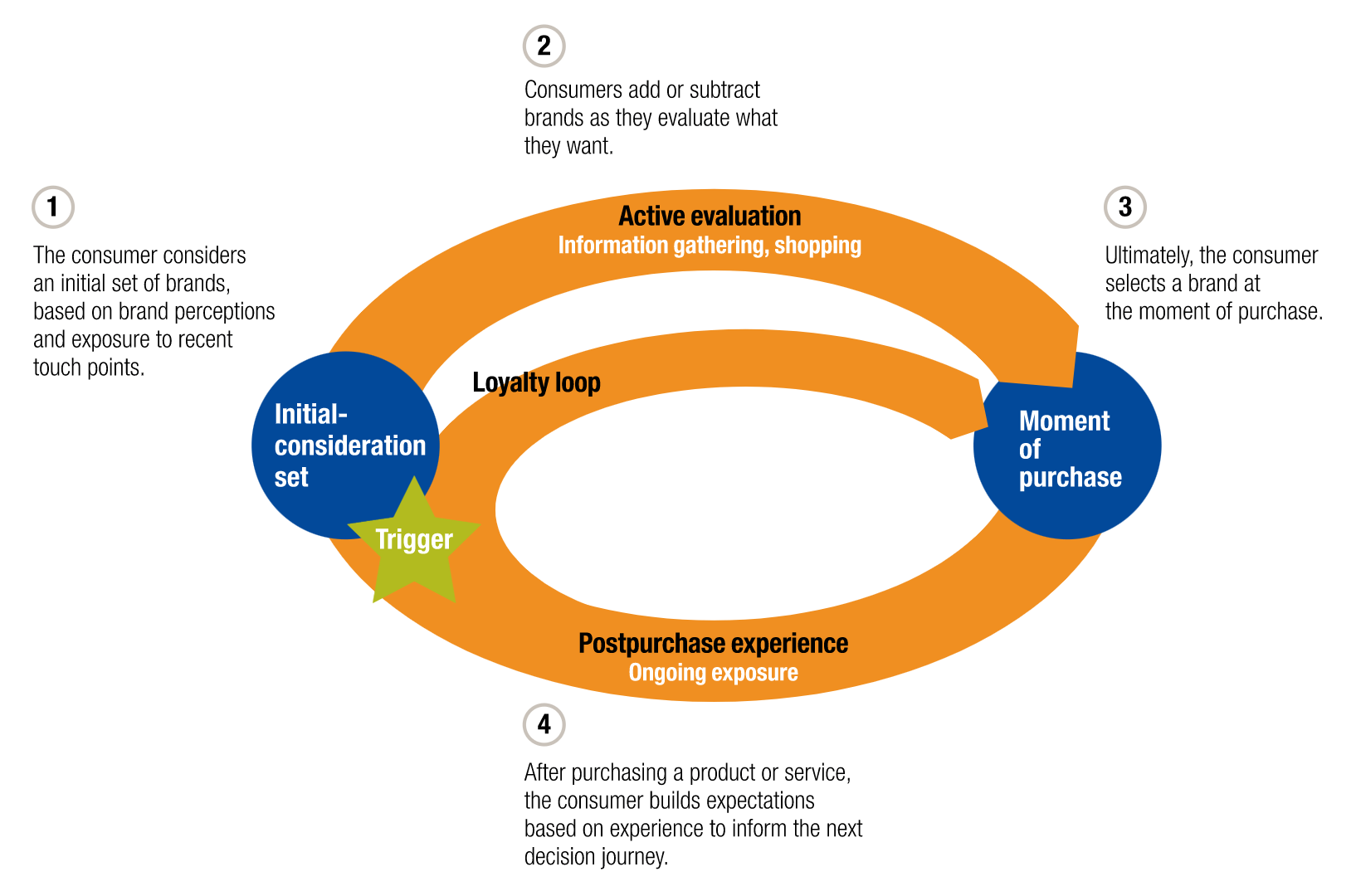
Step 1 → Lead/Traffic Generation
You run ads to bring new people into your world.
Step 2 → Create Custom Audiences
Facebook collects engagers, visitors & video watchers.
Step 3 → Run Retargeting Ads
Show warm content, testimonials, offers.
Step 4 → Multi-Channel Follow-Up
WhatsApp, email, SMS, phone call.
Step 5 → Conversion
Leads turn into paying customers.
And the best part?
This system reduces ad costs and increases revenue without increasing budget.
Conclusion: Lead Nurturing Is Where the Real Money Lies
Running ads is easy.
Converting leads is where the skill lies.
Lead nurturing helps you:
- Build trust
- Stay top-of-mind
- Educate your audience
- Reduce cost per purchase
- Increase ROI
- Build long-term customers
Every successful brand online follows this exact system — consistently and strategically.
Leave a Reply