Author: creatornavigator@gmail.com

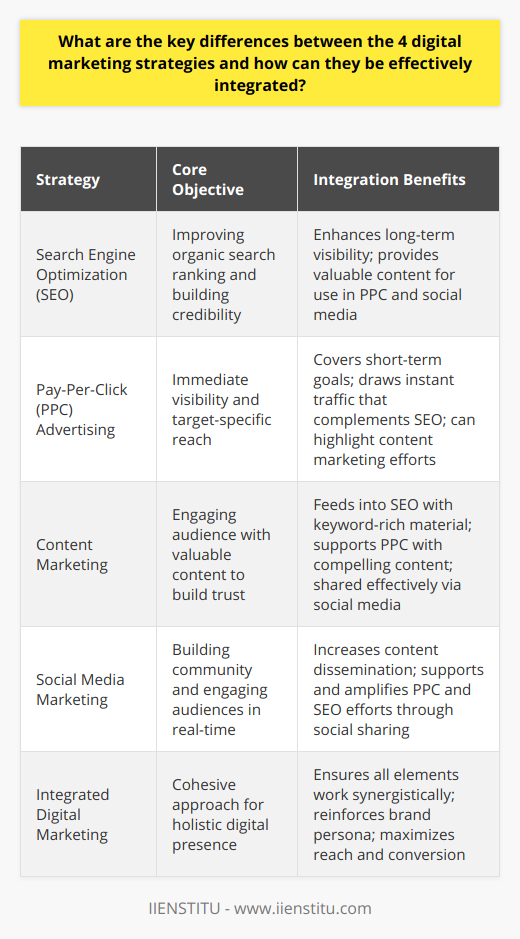
  • 5 Warning Signs You Are Burning Money in Ads

    https://media.licdn.com/dms/image/v2/D4D12AQH9TrS_KruKuQ/article-cover_image-shrink_720_1280/article-cover_image-shrink_720_1280/0/1738783044535?e=2147483647&t=enE8LZbTVY1UUZLzqfY2fP87TnHOPB2d7DM06GjfyT8&v=beta
    https://neilpatel.com/wp-content/uploads/2023/07/Marketing-Funnel.png
    https://www.socialmediaexaminer.com/wp-content/uploads/2022/06/fix-facebook-ads-manager-charts-example1.jpg

    Running ads can grow your business —
    But running them wrong can silently drain your budget without giving returns.

    Most brands don’t realize they are wasting money until it’s too late.
    Here are 5 major warning signs that clearly indicate you are burning money in ads.


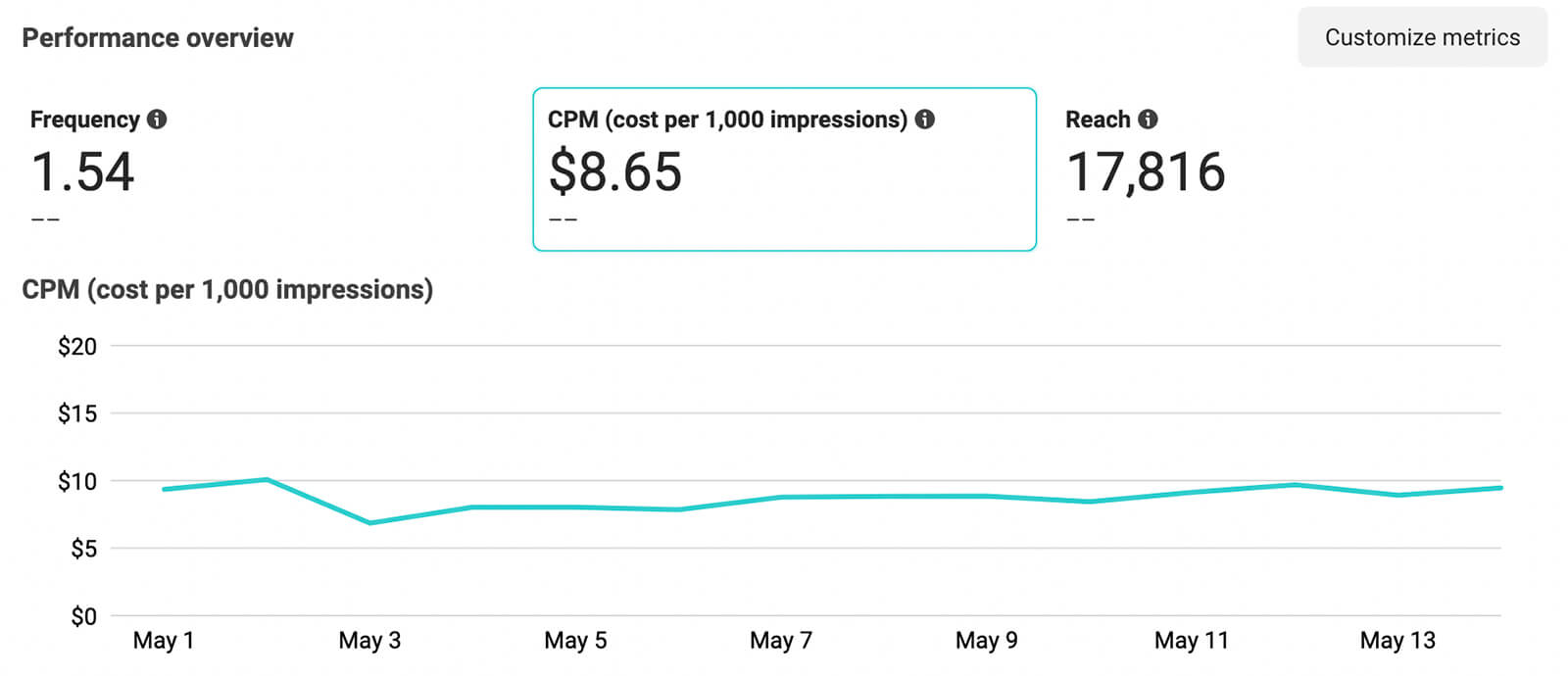
    1. You Don’t Know Your Numbers (CPC, CTR, CPA, ROAS)

    If you are running ads without checking performance metrics, you are not advertising —
    you are donating money.

    Key numbers you MUST track:

    • CTR → Are people interested?
    • CPC → Are clicks affordable?
    • CPA → Are leads/purchases profitable?
    • ROAS → Are you earning more than you spend?

    Warning sign:

    ❌ You only look at “reach” or “likes”
    ❌ You cannot explain whether your ads are profitable

    Fix:
    Check your metrics every 48 hours. Let data guide decisions.


    2. Your Landing Page or Product Page is Weak

    Even the best ads fail if your landing page is poor.

    If people click but don’t convert, your money is leaking.

    Common landing page issues:

    • Slow loading
    • Low-quality images
    • No social proof
    • Weak headlines
    • Confusing CTA
    • Long forms
    • Not mobile optimized

    Warning sign:

    ❌ High click rate but no leads or sales

    Fix:
    Optimize your landing page before scaling ads.


    3. You Only Target Cold Audiences

    If your entire budget goes to cold traffic (people who don’t know you),
    you are burning money.

    Why this is dangerous:

    Cold audiences are the most expensive to convert.

    Brands that don’t retarget lose 70% of sales.

    Warning sign:

    ❌ No retargeting campaigns
    ❌ No custom audience setup
    ❌ No follow-up system

    Fix:
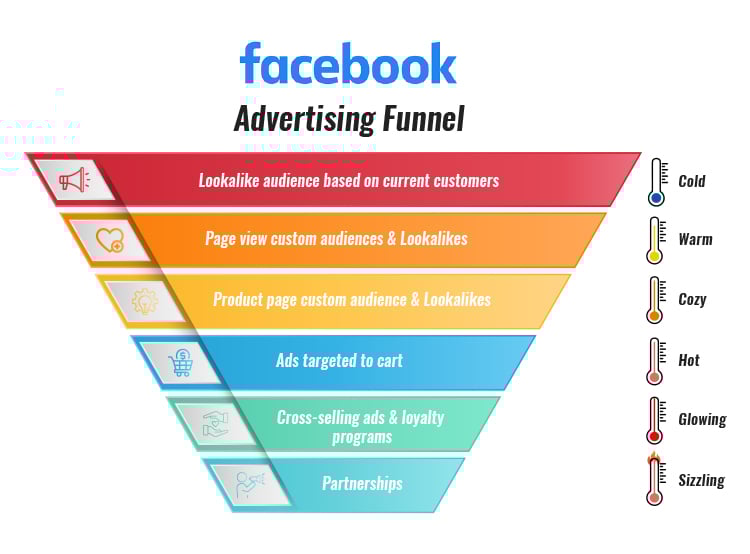
    Use retargeting + nurture ads to convert cold → warm → hot.


    4. Your Creative is Poor or Repetitive

    Creative decides 60–70% of ad success.

    If your creative is bad, no targeting or budget can save you.

    Signs your creative is weak:

    • Low CTR
    • High CPC
    • People scroll without stopping
    • Same creatives running for 30+ days
    • No hook
    • No clear offer

    Warning sign:

    ❌ Your ads get “ignored”
    ❌ No one saves, shares, clicks, or watches fully

    Fix:
    Refresh creatives every 10–20 days. Add UGC, testimonials, and strong hooks.


    5. You Boost Posts Instead of Running Proper Ad Campaigns

    Boosting posts may look easy — but it’s the fastest way to waste money.

    Why boosting burns money:

    • Wrong optimization (usually for engagement)
    • Weak targeting
    • No control over placements
    • No tracking
    • No learning phase

    Warning sign:

    ❌ You rely on “Boost Post” instead of Ads Manager
    ❌ Engagement is high but sales are low

    Fix:
    Use Meta Ads Manager and create proper conversion or lead campaigns.


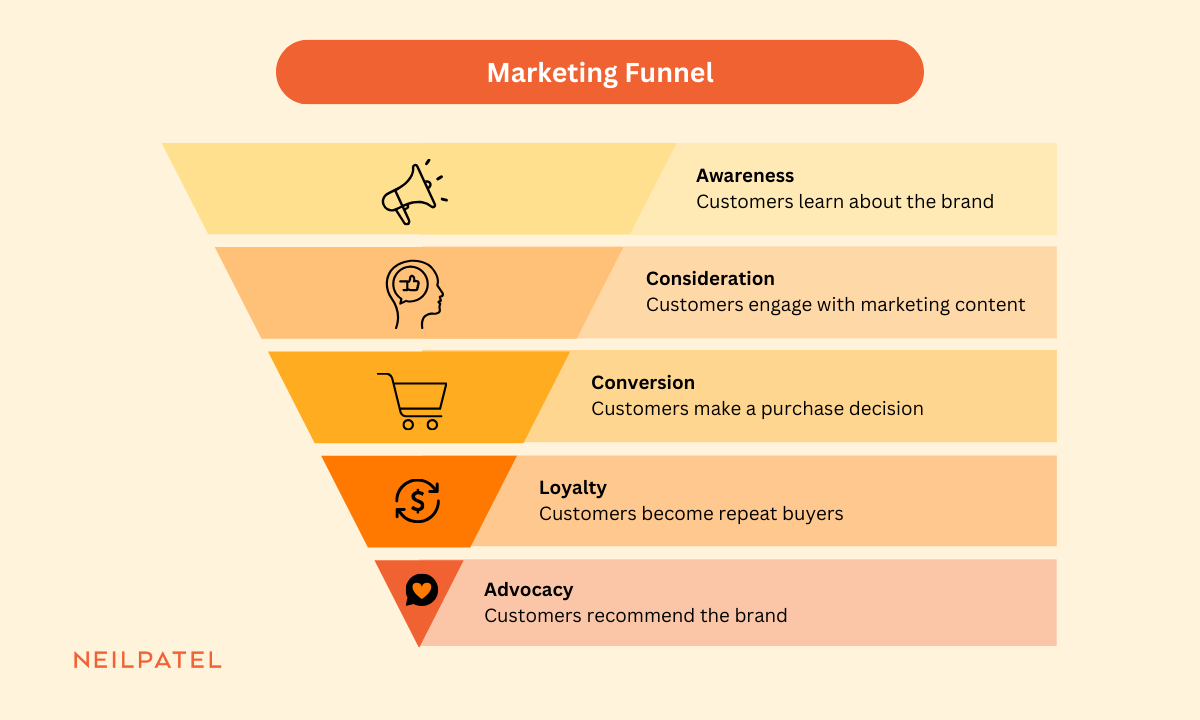
    Bonus Red Flag: You Don’t Have a Full Funnel Strategy

    If you run ads only for “sales,” you will fail.

    You need:

    • Top of funnel (awareness)
    • Middle of funnel (value, trust)
    • Bottom of funnel (conversion)
    • Retargeting
    • Follow-up

    Most brands lose money because they skip the funnel.


    Conclusion: Stop Burning Money, Start Advertising Smart

    If you see ANY of these warning signs,
    you’re not just running ads —
    you’re burning cash.

    But the good news?

    You can fix all of them with the right structure:

    ✔ Good creatives
    ✔ Strong landing page
    ✔ Proper tracking
    ✔ Retargeting system
    ✔ Full funnel strategy
    ✔ Regular optimization
  • E-Commerce Ads: Amazon, Flipkart & Meesho — Complete Guide for Sellers

    https://windsor.ai/wp-content/uploads/2024/06/amazon-ads-700x393.png
    https://media.licdn.com/dms/image/v2/D4D22AQHmKvduDAX3hQ/feedshare-shrink_800/B4DZd35oObGkAo-/0/1750063286625?e=2147483647&t=EHDR_iH2nIGMVy0XtTLBJQW-ZA1dgXqq8LlVBVwJbaA&v=beta
    https://cdn.dribbble.com/userupload/39739538/file/original-f2c4ebd1f38508b576af62ff1b6a1a12.png?resize=752x&vertical=center

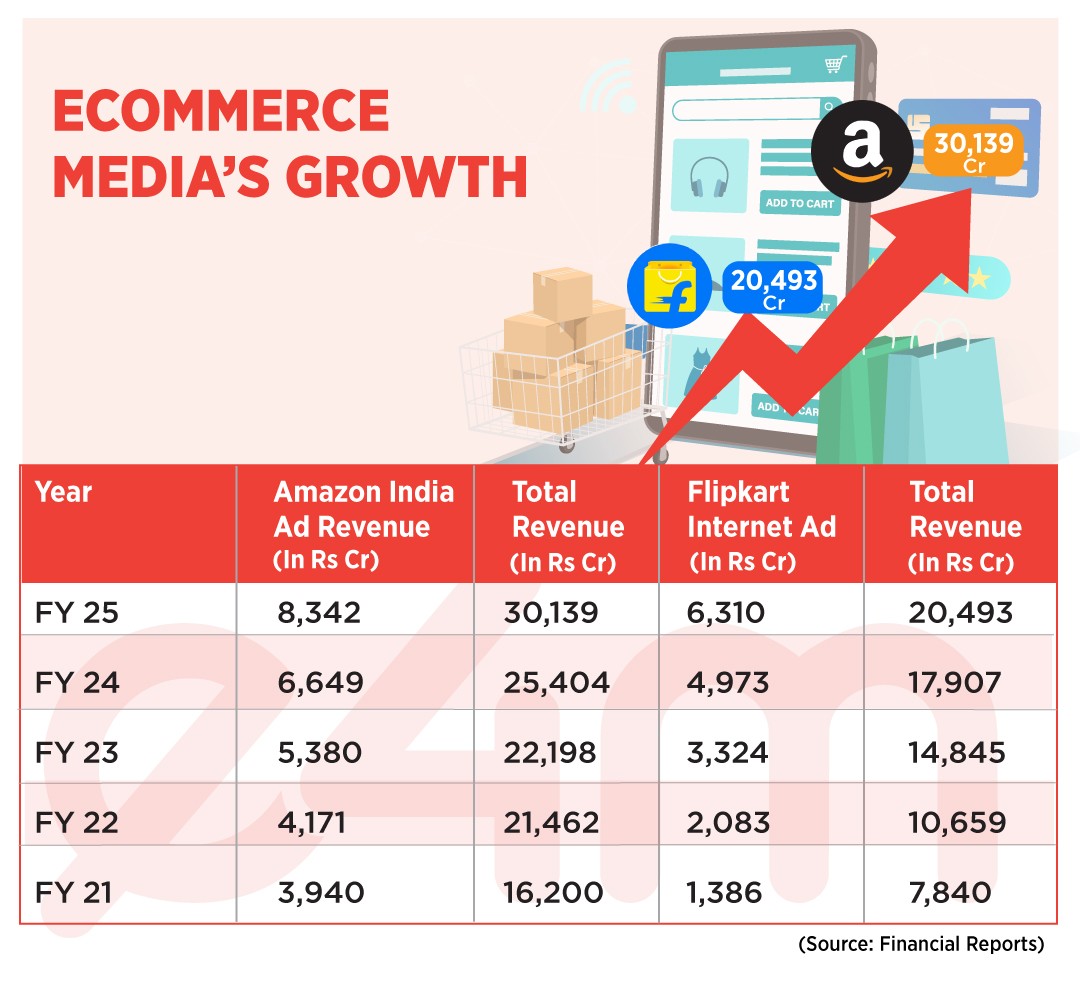
    Running ads on Amazon, Flipkart, and Meesho is one of the fastest ways to increase visibility, boost product rankings, and grow daily orders.
    But each platform works differently.

    Below is a clear, simple explanation of how ads work on all three platforms.


    1. Amazon Ads (Amazon PPC)

    Amazon has the most advanced ad platform among all Indian marketplaces.
    It works on PPC (Pay-Per-Click) — you pay only when someone clicks your ad.

    Ad Types on Amazon

    1. Sponsored Products Ads
      • Show inside search results
      • Appear on product detail pages
      • Best for sales
        ✔ Ideal for new sellers
    2. Sponsored Brands Ads
      • Show your brand logo + product collection
      • Appear above the search results
        ✔ Best for brand awareness
    3. Sponsored Display Ads
      • Retarget customers
      • Show on competitor pages
        ✔ Best for scaling & remarketing

    When to Run Amazon Ads

    • Launching a new product
    • Boosting ranking on keywords
    • Competing with similar brands
    • Getting faster sales
    • Clearing inventory

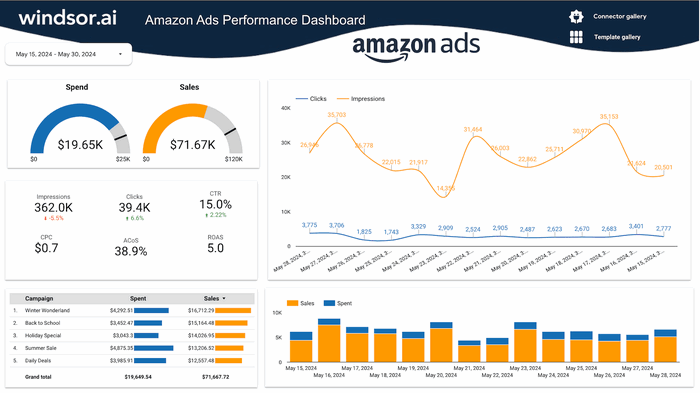
    Key Metrics Amazon Looks At

    • CTR (Click-Through Rate)
    • CVR (Conversion Rate)
    • ACOS (Advertising Cost of Sale)
    • ROAS

    2. Flipkart Ads (Flipkart Advertising Console)

    Flipkart ads also work on PPC but are simpler than Amazon.

    Types of Flipkart Ads

    1. Product Listing Ads (PLA)
      • Promote your product in search results
      • Most sellers use this
    2. Display Ads
      • Banner ads
      • Usually for big sellers and brands
    3. Smart ROI Campaigns
      • Automated campaigns
      • Flipkart decides bidding & targets
        ✔ Best for beginners

    Why Flipkart Ads Work Well

    • Customers buy fast
    • Search intent is strong
    • Flipkart promotes high-inventory sellers
    • Lower competition compared to Amazon

    Important for Flipkart Sellers

    • Maintain high product rating
    • Keep stock levels high
    • Improve product images
    • Lower return rate

    These directly impact your ad visibility.


    3. Meesho Ads (Meesho Boost Ads)

    Meesho ads are the easiest and cheapest to run.

    How Meesho Ads Work

    • You “Boost” products
    • Meesho automatically shows them to more buyers
    • You pay per click or per 1000 impressions (depending on campaign)

    Types of Meesho Ads

    1. Product Boost
      • Helps new products rank
      • Get visibility in categories
    2. Smart Campaigns
      • Meesho decides who to target
      • Best for beginners
    3. Retargeting Ads
      • Show your listing again to viewers
        ✔ Works great for high-return categories (clothing, home, beauty)

    Meesho Ranking Factors

    • Low price
    • Fast delivery
    • Good images
    • High rating
    • High click-through rate

    If these are good → ads become cheaper.


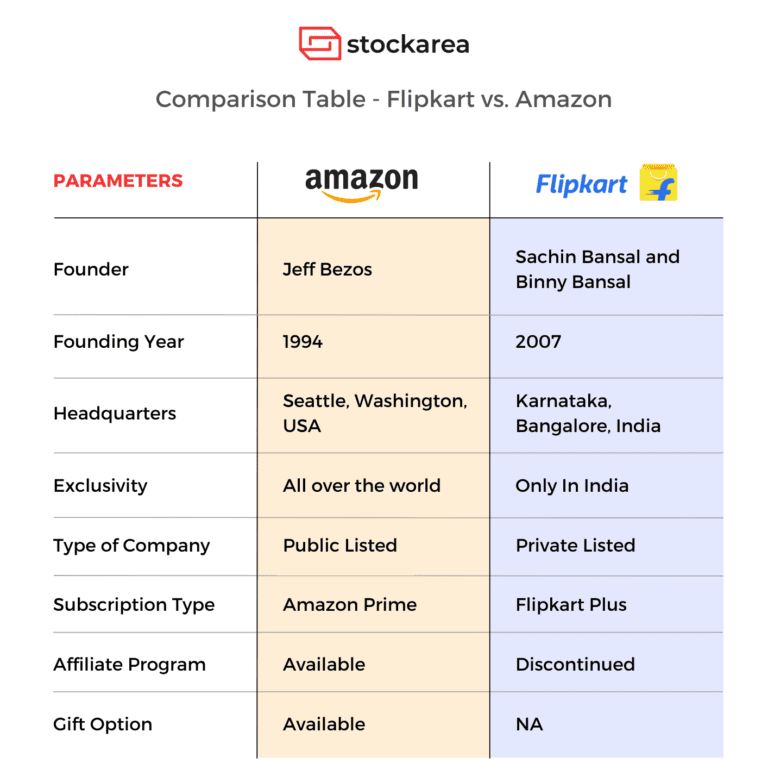
    4. Amazon vs Flipkart vs Meesho Ads: Quick Comparison

    https://stockarea.io/blogs/wp-content/uploads/2022/04/amazon_flipkart_feature_comparison-768x782.png
    https://cms.exchange4media.com/photos/Media-s-growth-table--2.jpg
    PlatformBest ForCostDifficultyAd TypesCompetition
    AmazonHigh sellers, branded sellersMedium–HighHard3 advanced typesVery high
    FlipkartValue productsMediumMedium2 typesMedium
    MeeshoPrice-sensitive productsLowEasyBoost AdsLow–Medium

    5. How to Run High-Converting Marketplace Ads (Step-by-Step)

    Step 1: Keyword Research

    • Use Amazon Search Term Report
    • Flipkart trending keywords
    • Meesho category keywords
    • Target long-tail keywords first
      (example: “women’s cotton printed kurti”)

    Step 2: Optimize Listing

    • Title
    • 5 bullet points
    • A+ content (Amazon)
    • High-quality images
    • Competitive pricing

    Better listing = Lower ad cost

    Step 3: Start with Low Budget Testing

    • Amazon: ₹500–1000 per day
    • Flipkart: ₹300–600 per day
    • Meesho: ₹200–300 per day

    Step 4: Analyze Results After 3–5 Days

    Check:

    • ACOS (Amazon)
    • CPC (all platforms)
    • Orders
    • CTR
    • Ad ranking

    Kill bad keywords → Scale profitable ones.


    6. Scaling Ads on Amazon, Flipkart & Meesho

    Amazon Scaling

    • Add more keywords
    • Increase bids on high-converting keywords
    • Use retargeting ads
    • Launch Sponsored Brand ads

    Flipkart Scaling

    • Increase PLA budget
    • Use automated ROI campaigns
    • Improve listing performance score

    Meesho Scaling

    • Boost top 3 performing products
    • Use Combo ads
    • Retarget viewers

    7. Common Mistakes Sellers Make

    ❌ Running ads without keyword research
    ❌ Using poor-quality images
    ❌ Selling high-price products on Meesho
    ❌ Not checking ACOS
    ❌ Running only auto campaigns
    ❌ No retargeting
    ❌ Ignoring product ratings

    Fixing these instantly increases ROI.


    Conclusion: E-Commerce Ads Are the Fastest Way to Boost Sales

    Amazon, Flipkart & Meesho ads can completely transform your online business if you run them strategically.

    The formula is simple:

    Good product + Optimized listing + Right keywords + Smart ads =
    🔥 Daily orders + Higher rankings + Repeat buyers

  • The Ultimate Guide to Lead Nurturing: How Custom Audiences, Retargeting & Follow-Up Convert Leads Into Customers

    https://images.squarespace-cdn.com/content/v1/65d557c856186c4fd71b40b4/1708480486236-IMUEQM6LF95HRHZY7TXT/Nurturing%2BStages%2Bof%2Bthe%2BSales%2BFunnel.png
    https://adsharkmarketing.com/wp-content/uploads/facebook-custom-audiences.png
    https://www.icebergwebdesign.com/wp-content/uploads/2016/11/Funnel.jpg

    In digital marketing, generating leads is only Step 1.
    The real transformation happens after the lead enters your system — when you guide them from interest → trust → conversion.

    This process is called Lead Nurturing, and it is one of the most powerful growth strategies for any business, whether you sell services, coaching, products, or run a D2C brand.

    This blog explains the complete lead nurturing framework in a simple, educational way so you understand exactly how brands convert cold audiences into loyal customers.


    What Is Lead Nurturing?

    Lead nurturing is the process of building relationships with people who have shown interest in your business.

    Instead of trying to sell instantly, you focus on:

    • Educating
    • Adding value
    • Answering doubts
    • Showing proof
    • Building trust

    Leads don’t buy because you run a great ad.
    They buy because you consistently stay in front of them with the right message at the right time.


    Why Lead Nurturing Matters

    Many businesses spend money on ads but get no sales.
    The reason? They stop after lead generation.

    Studies show that:

    • Only 3% of leads buy instantly
    • 40–60% buy within 30–90 days IF nurtured properly
    • Retargeting reduces cost per sale by 50–70%

    Without nurturing, most of your leads go cold.
    With nurturing, you build a predictable conversion engine.


    1. Custom Audiences: The Base of Lead Nurturing

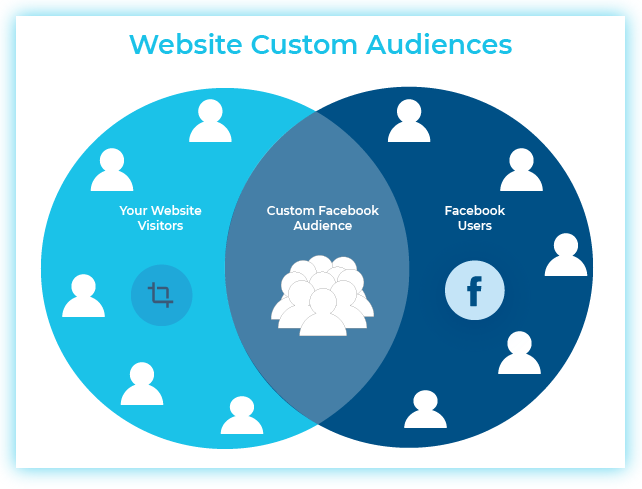
    Custom audiences are a feature inside Facebook Ads that allow you to target people who already interacted with your business.

    These are high-quality audiences because they already know you.

    Types of Custom Audiences Explained

    A. Website Visitors

    Created using Facebook Pixel.

    Includes people who:

    • Visited your website
    • Viewed a product/service
    • Added to cart
    • Viewed blog pages
    • Reached checkout

    These people have express interest → High intent audience.

    B. Social Media Engagers

    People who:

    • Liked your posts
    • Commented
    • Messaged
    • Saved your content
    • Viewed your reels/videos

    Perfect for nurturing because they already trust your brand.

    C. Customer Lists

    Upload your email list, lead list, or existing client list.

    Used for:

    • Upsells
    • Repeat sales
    • Event promotions
    • Reminders

    D. Video Viewers

    People who watched your videos 25%, 50%, 75% or 95%.

    These are warm audiences ready for next-step retargeting.


    2. Retargeting: Turning Interest Into Action

    Retargeting means showing ads to people who have already interacted with your brand but haven’t taken the final action yet.

    It is the most profitable type of advertising.

    Why Retargeting Works

    • People rarely buy the first time
    • They need reminders
    • They need trust
    • They need clarity
    • They need social proof

    Retargeting gives them exactly that.


    Types of Retargeting Ads (With Purpose)

    1. Website Retargeting

    Target people who visited your site but did not convert.

    Show them:

    • Testimonials
    • Benefits
    • Offers
    • Trust-building content

    Purpose → Push them towards conversion.

    2. Add-to-Cart Retargeting

    These people were one click away from buying.

    Show:

    • “Your cart is waiting” messages
    • Urgency-based offers
    • Discounts or free delivery
    • Customer reviews

    Purpose → Reduce cart abandonment.

    3. Social Media Retargeting

    For Facebook or Instagram engagers.

    Show:

    • Offer ads
    • Case studies
    • Value posts
    • Social proof

    Purpose → Warm them up for buying.

    4. Lead Form Retargeting

    For people who opened your form but didn’t submit.

    Show:

    • “Almost done!” reminders
    • CTA-focused ads
    • Problem-solving videos

    Purpose → Improve lead form conversions.


    3. Consistent Follow-Up: The Hidden Secret of High-Converting Campaigns

    Most leads go cold simply because nobody follows up.

    A proper follow-up system turns dead leads into active buyers.

    Channels for Consistent Follow-Up

    • Facebook retargeting ads
    • Email sequences
    • WhatsApp broadcasts
    • SMS reminders
    • Calling (for services or high-ticket)
    • Instagram DMs

    Different leads respond on different channels, so use multiple touchpoints.


    Follow-Up Structure That Works for Every Business

    A. Awareness Follow-Up

    Teach them something valuable.
    Help them identify their problem.

    Examples:

    • Educational videos
    • How-to posts
    • Problem-solution content

    B. Consideration Follow-Up

    Show them why your solution works.

    Examples:

    • Testimonials
    • Reviews
    • Demos
    • Case studies
    • Behind-the-scenes

    C. Conversion Follow-Up

    Push them to take the final step.

    Examples:

    • Offers
    • Urgency
    • Bonuses
    • Discounts
    • Free consultations

    D. Post-Purchase Follow-Up

    Turn buyers into repeat customers.

    Examples:

    • Thank-you ads
    • Upsell offers
    • Feedback requests
    • Loyalty rewards

    Putting It All Together: The Lead Nurturing Machine

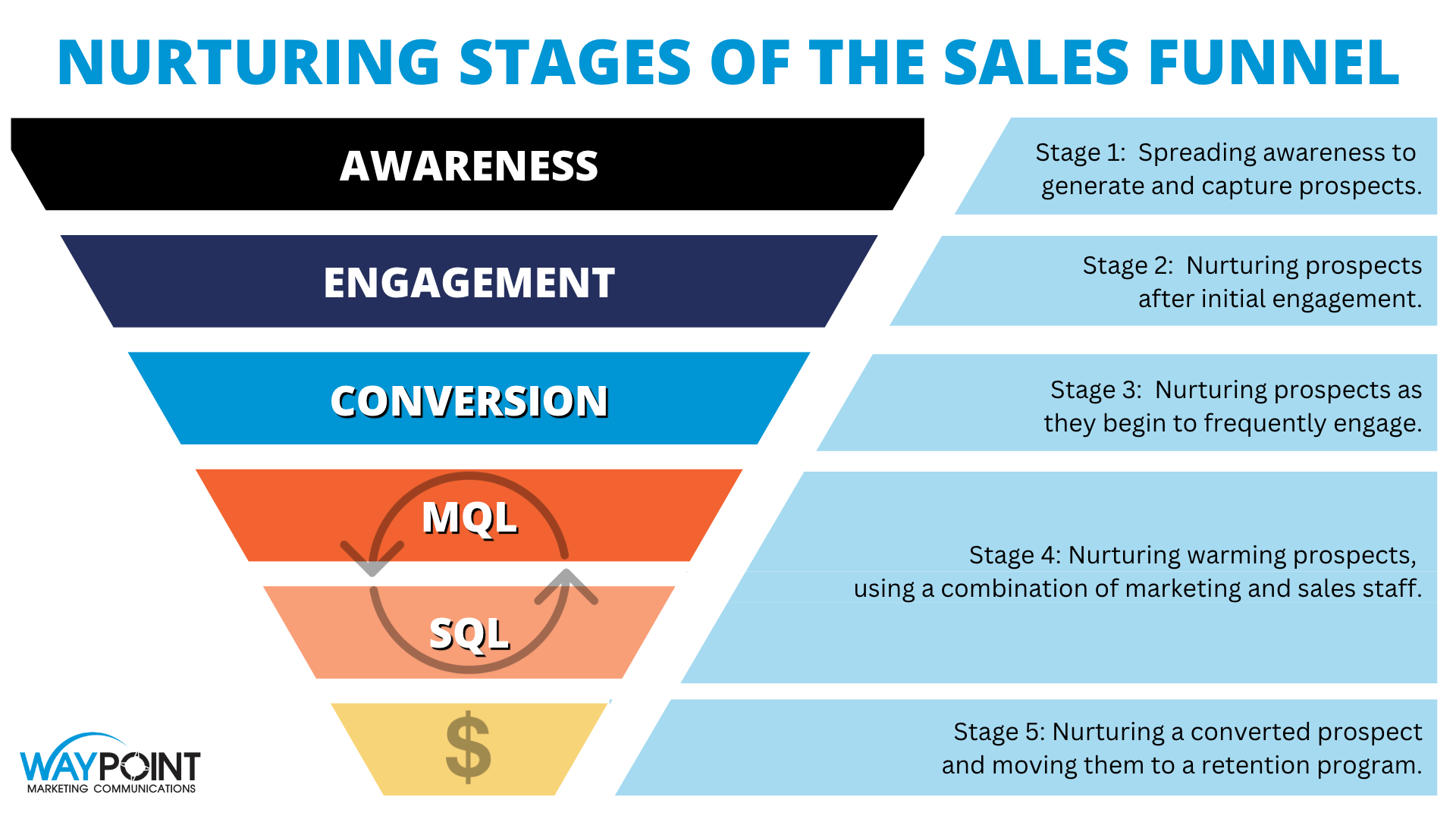
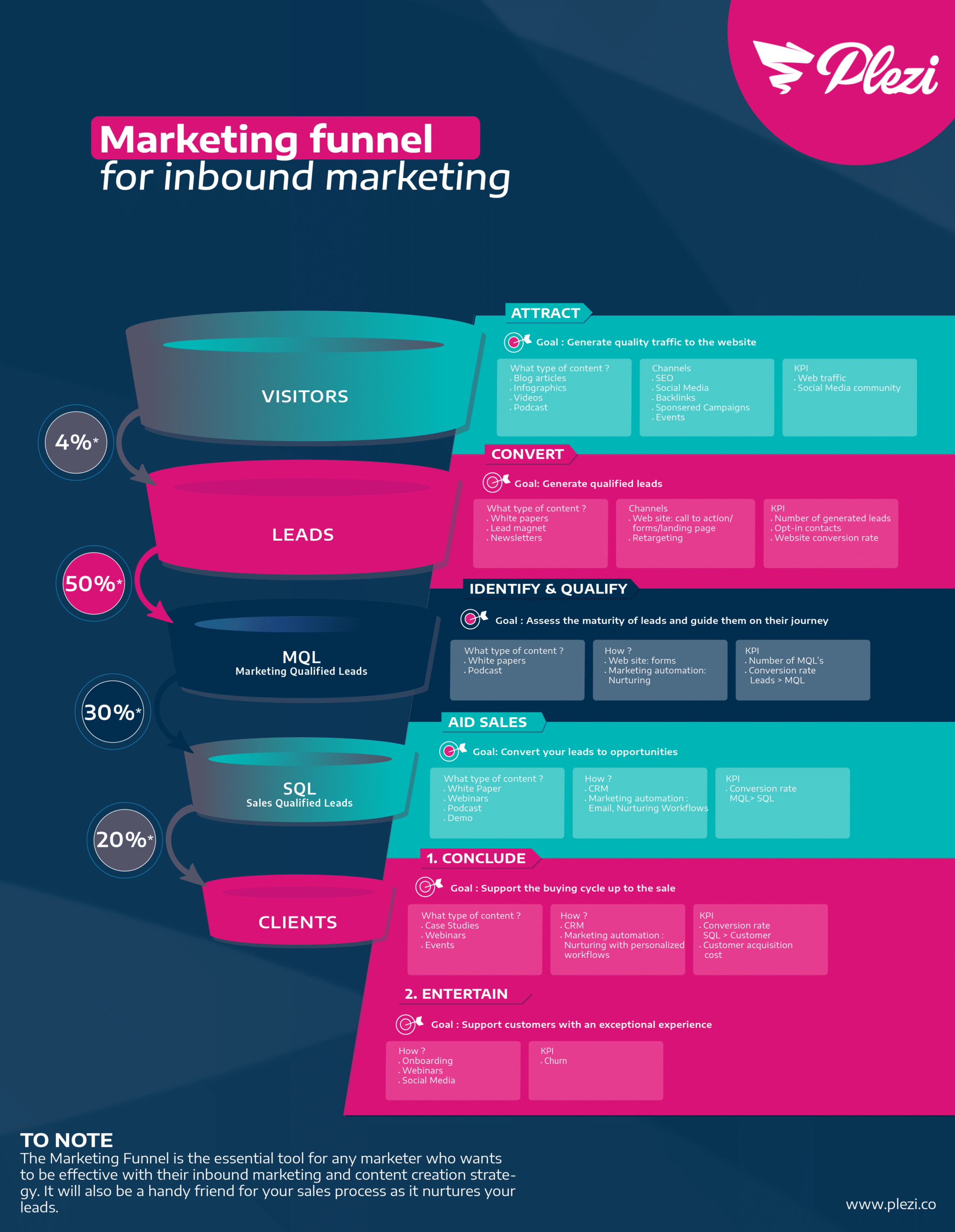
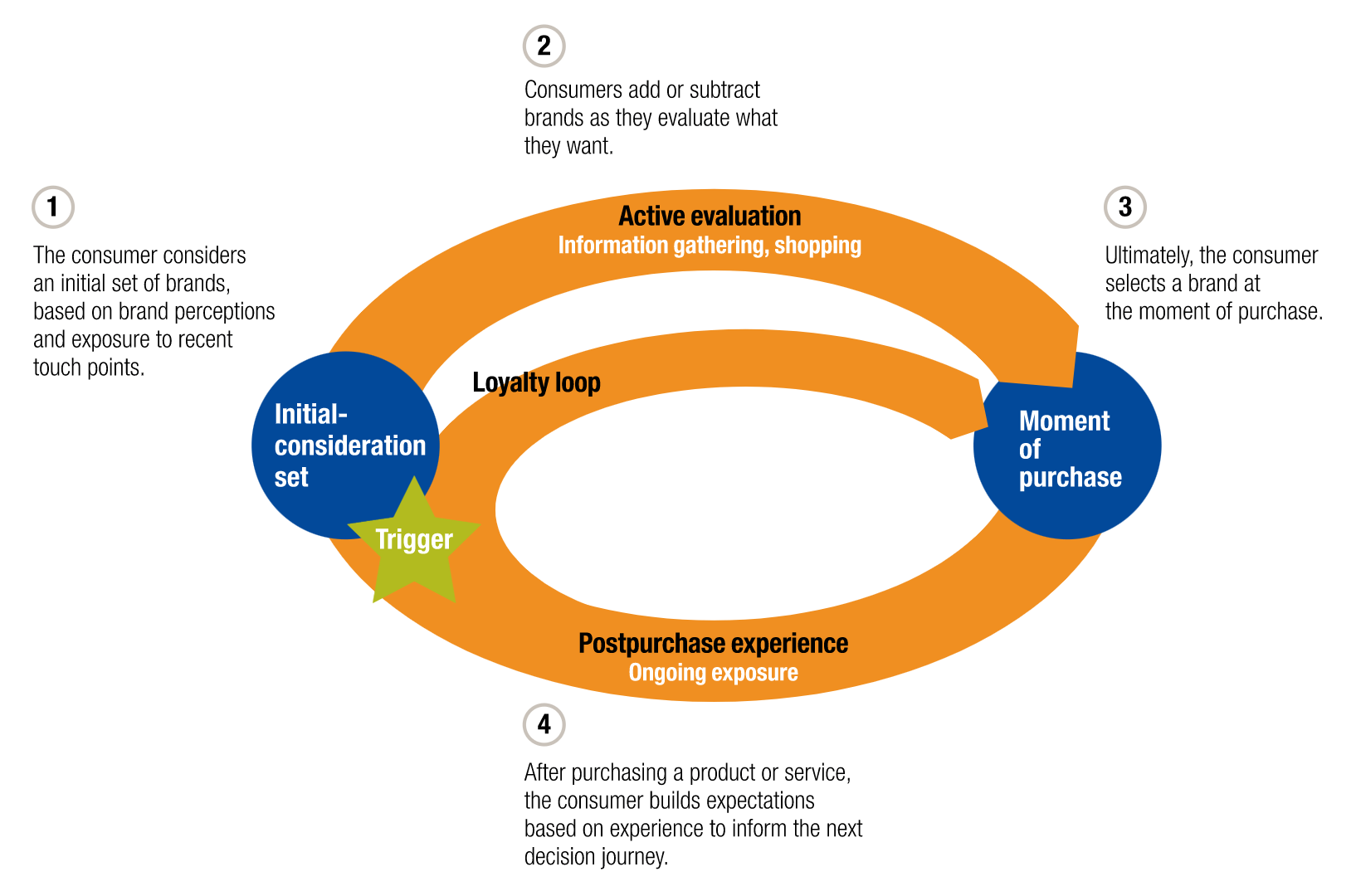
    Here’s how the entire system works as a flow:

    https://www.plezi.co/wp-content/uploads/2020/02/uk-infographic-funnel-marketing.png
    https://www.smartinsights.com/wp-content/uploads/2021/07/McKinsey-Consumer-Decision-journey-model.png

    Step 1 → Lead/Traffic Generation

    You run ads to bring new people into your world.

    Step 2 → Create Custom Audiences

    Facebook collects engagers, visitors & video watchers.

    Step 3 → Run Retargeting Ads

    Show warm content, testimonials, offers.

    Step 4 → Multi-Channel Follow-Up

    WhatsApp, email, SMS, phone call.

    Step 5 → Conversion

    Leads turn into paying customers.

    And the best part?
    This system reduces ad costs and increases revenue without increasing budget.


    Conclusion: Lead Nurturing Is Where the Real Money Lies

    Running ads is easy.
    Converting leads is where the skill lies.

    Lead nurturing helps you:

    • Build trust
    • Stay top-of-mind
    • Educate your audience
    • Reduce cost per purchase
    • Increase ROI
    • Build long-term customers

    Every successful brand online follows this exact system — consistently and strategically.

  • The Complete Facebook Ads Journey: From Zero to Profitable Scaling

    https://cdn.shopify.com/s/files/1/1833/4291/files/facebooks-ads-funnel-stages.webp?v=1714963496
    https://media.licdn.com/dms/image/v2/D5612AQFl6wx_NNMHBw/article-cover_image-shrink_600_2000/B56ZZMHA_SGQAQ-/0/1745033630196?e=2147483647&t=vzjkHVml-8YeY0Wl02pr0QgpPlaCWBY2tdVeqRYMxCA&v=beta
    https://getdigitalresults.com/wp-content/uploads/2022/10/digital-marketing-customer-journey.png

    Running Facebook Ads is not just about boosting posts or clicking “Promote.”
    It’s a strategic, step-by-step journey that takes your business from no visibility to predictable, consistent, scalable sales.

    Whether you’re a beginner or a brand trying to refine your ad strategy, understanding the Facebook Ads Journey will save you money, improve ROAS, and accelerate growth.

    Let’s break down the entire journey from start to finish.


    1. Foundation: Setting Up for Success

    Before spending a single rupee on ads, you need a strong foundation.
    This is where 90% of people fail — they run ads without setup.

    What you must set up first:

    • Meta Business Manager
    • Pixel Installation + Event Tracking
    • Verified Domain
    • Custom Conversion Setup
    • Ad Account Structure
    • Audience Research

    A strong foundation ensures your ads track correctly, optimize correctly, and deliver data that helps you scale.

    Without this, even the best ads will fail.


    2. Creative & Offer Strategy

    Facebook Ads is 70% creative + offer, 30% technical setup.

    This stage focuses on creating content that actually gets attention and gets clicks.

    What to prepare:

    • 3–5 scroll-stopping hooks
    • UGC videos
    • Product demos
    • Testimonial ads
    • Static + carousel creatives
    • Strong offer positioning (discount, bundle, free trial, value-led)

    Your creatives should:

    • Stop scrolling
    • Build trust
    • Create desire
    • Push people to click

    If your creatives are weak, no amount of budget can fix it.


    3. Launch Phase (Days 1–7): Testing the Waters

    This is where you launch your first ads and let Facebook collect data.

    Best campaigns to start with:

    • Cold Audience Prospecting
    • Audience types:
      • Interest-based
      • Behaviour-based
      • Broad audience
      • Lookalikes (if you have data)

    Start with lower budgets and focus on learning, not profit.

    Your goal:

    ✔ Understand which creatives work
    ✔ Understand which audience responds
    ✔ Let algorithm gather data

    Do NOT judge your ads in the first 48 hours.
    Facebook needs a learning period to optimise.


    4. Testing & Analysis Phase

    Once data starts coming in, it’s time to analyse.

    Key Metrics to Judge:

    • CPM – Is your ad reaching the right audience?
    • CTR – Are people clicking?
    • CPC – Are clicks affordable?
    • ATC / Leads / View content – Are they taking action?

    What to do:

    • Pause ads with high CPC
    • Scale ads with high CTR
    • Replace creatives with low engagement
    • Test different hooks & angles

    This phase is the backbone of your entire journey —
    Data > Opinions.


    5. Optimization Phase (Week 2–4)

    Now your ads have initial data.
    It’s time to improve performance.

    How to optimize:

    • Run retargeting campaigns
    • Create warm audience layers:
      • Website visitors
      • Instagram engagers
      • Video viewers
      • Add-to-cart users
    • Improve landing page speed
    • Optimize product pages
    • Test new creatives every week
    • Fix funnel leaks (CTR good but conversions low)

    Your goal here is:
    ✔ Increase conversions
    ✔ Lower cost per result
    ✔ Strengthen brand trust


    6. Scaling Phase: From Good to Great

    Once you’re getting consistent results, it’s time to scale.

    Ways to scale your campaigns:

    Vertical Scaling (Increase budgets)

    • Increase budget 20–30% every 48 hours
    • Keep eyes on ROAS

    Horizontal Scaling (Duplicate winning ad sets)

    • Duplicate your best ad set with higher budget
    • Test broad audience scaling
    • Introduce lookalikes (1%, 2%, 5%)

    Creative Scaling

    • Add fresh UGC
    • Add testimonials
    • Add offer variations (BOGO, bundle deals, limited offers)

    Scaling is where small businesses turn into brands.


    7. Full Funnel Strategy: Building a Machine

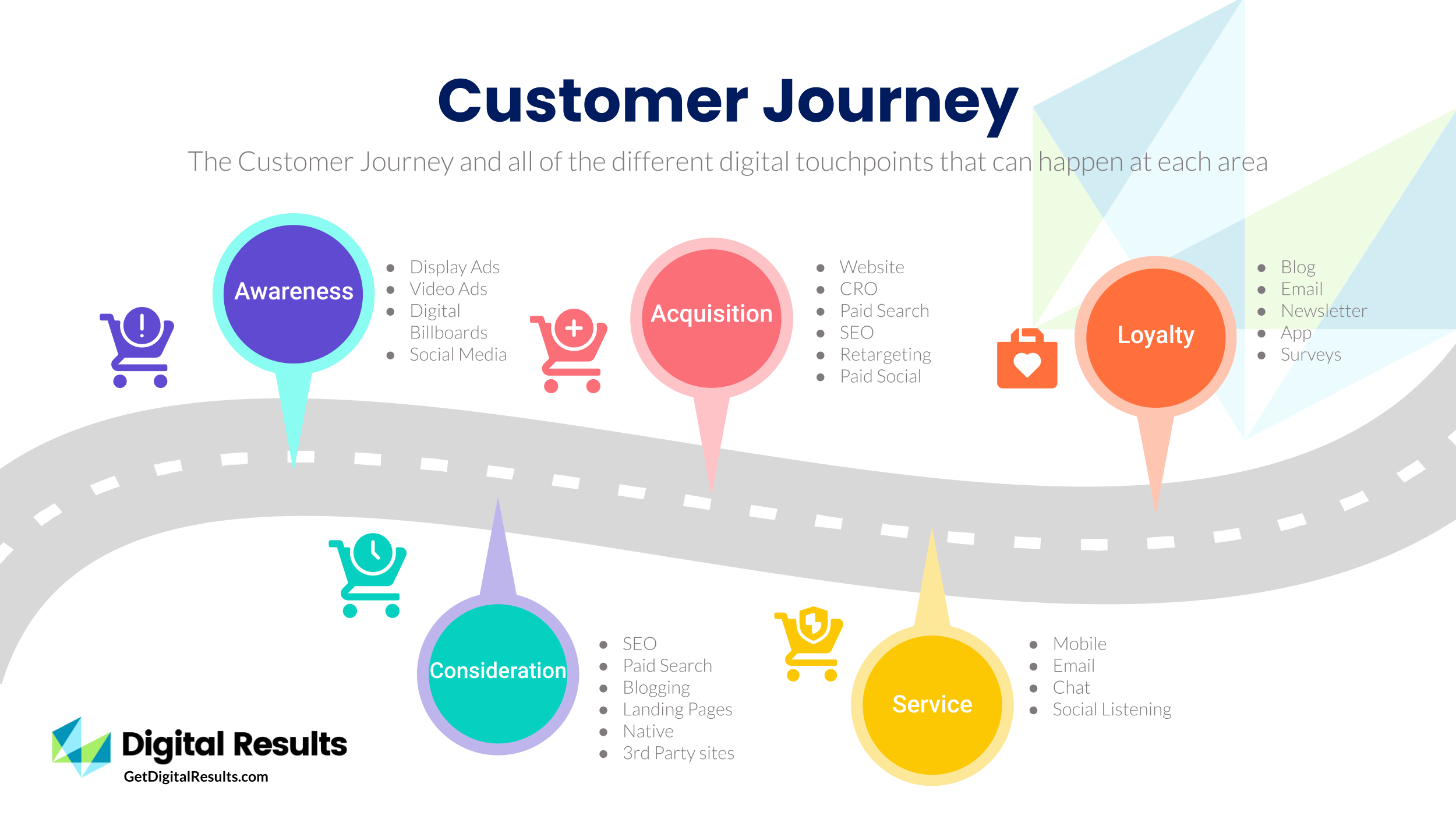
    A profitable brand uses a full-funnel approach:

    Top of Funnel (TOF) – Awareness

    • UGC ads
    • Problem–solution content
    • Story-based videos
      Goal → Bring new people into your world.

    Middle of Funnel (MOF) – Consideration

    • Product demos
    • Reviews
    • Case studies
      Goal → Build trust.

    Bottom of Funnel (BOF) – Conversion

    • Retargeting ads
    • Offer ads
    • Testimonials
      Goal → Convert hot audience into buyers.

    8. Maintain + Refresh + Repeat

    Scaling is not permanent.
    Things change — audience behavior, ad fatigue, competition.

    Weekly tasks:

    • Check metrics
    • Refresh creatives every 10–20 days
    • Review comments
    • Monitor ROAS
    • Update landing pages
    • Add new angles/offers
    • Clean retargeting pools

    This keeps your ads profitable for the long term.


    Conclusion: The Facebook Ads Journey Works Only if You Follow the System

    Facebook Ads is not luck, it’s a system:

    1️⃣ Set the foundation
    2️⃣ Create powerful creatives
    3️⃣ Test and learn
    4️⃣ Optimize
    5️⃣ Scale
    6️⃣ Build full funnel
    7️⃣ Refresh regularly

    This journey turns any business — D2C, service, coaching, e-commerce, or consultancy — into a predictable revenue machine.

  • How to Scale Ads

    https://cdn.prod.website-files.com/614b3e8cafbd9789234c277e/616ed16d11ac9aad0b1458ed_Horizontal-scaling-of-Facebook-ad-campaigns-infographic-1.png
    https://www.farsiight.com/_gatsby/image/7742a071afc4d39f4d904c3ec4b35fb7/a84a0cddd3b2b7b86582a8485d51ff3e/TOF.png?a=w%3D846%26h%3D428%26fm%3Dpng%26q%3D90&cd=2023-07-24T04%3A07%3A50&u=https%3A%2F%2Fwordpress.farsiight.com%2Fwp-content%2Fuploads%2F2023%2F07%2FTOF.png
    https://media.licdn.com/dms/image/v2/D4E12AQExHprdupaCSQ/article-cover_image-shrink_600_2000/B4EZiD75LkGcAU-/0/1754560177194?e=2147483647&t=VJ8GH7c5NHjPp0BasmE0G4XA4U_kSIsn1pQIhe7gy54&v=beta

    4

    Scaling ads simply means:
    👉 spending more money
    👉 while keeping ROAS stable
    👉 and keeping CPC low

    Most brands FAIL while scaling because they do it the wrong way.

    This is the exact method used by top D2C brands, performance marketers, and media buyers in 2025.

    Let’s break it down in simple steps.


    ⭐ STEP 1 — Find Your Winning Ad Before Scaling

    You should NEVER scale every ad.
    Only scale winners.

    A winning ad has:

    ✔ CTR above 1%
    ✔ CPC under ₹20
    ✔ Strong add-to-carts
    ✔ Good ROAS (1.5X–3X+)
    ✔ Stable performance for 3–5 days

    If these numbers look good = ready to scale.

    If not = fix the creative first.


    ⭐ STEP 2 — Scale SLOWLY (Not Overnight!)

    Most beginners make THIS mistake:
    ❌ They double the budget in one click.

    This KILLS the ad.

    Instead, follow this:

    ✔ Increase budget by 20–30% every 3 days

    Example:
    Day 1 → ₹500
    Day 4 → ₹600
    Day 7 → ₹750
    Day 10 → ₹900

    This keeps algorithm stable and ROAS safe.


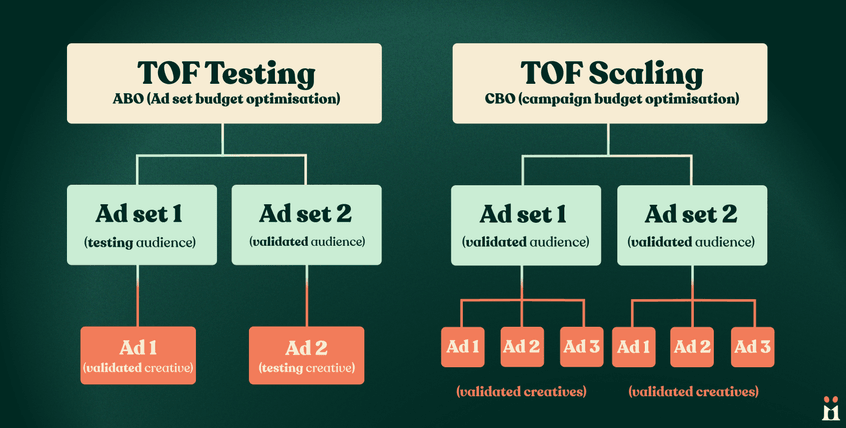
    ⭐ STEP 3 — Use Horizontal Scaling (The Secret Weapon)

    Horizontal scaling means:
    👉 Increase number of ads, NOT budget

    You duplicate:

    • the best creative
    • the best audience
    • the best hook

    with small variations.

    Horizontal Scaling Includes:

    ✔ Different creators
    ✔ Different hooks
    ✔ Same ad with new intros
    ✔ Same ad but new thumbnail
    ✔ Same ad but different offer
    ✔ Duplicate campaigns

    This spreads risk + increases reach.


    ⭐ STEP 4 — Vertical Scaling (After Horizontal)

    Vertical scaling = increasing budget.

    ONLY do this when:

    • ads are stable
    • ROAS is good
    • learning is completed

    Vertical scaling types:

    ✔ Slow scale (20–30%)

    Safest & most stable

    ✔ Duplicate scale

    Duplicate winning campaign at higher budget (ex: 2×)

    ✔ CBO scaling

    Let Meta automatically distribute budget


    ⭐ STEP 5 — Refresh Creatives (Scaling Dies Without This!)

    As you spend more, ads start FATIGUE:

    • higher CPC
    • lower CTR
    • ROAS drops
    • frequency increases

    This is normal.

    To keep scaling:
    ✔ add new UGC videos
    ✔ add new hooks
    ✔ use 3–5 creators
    ✔ create new angles
    ✔ remake winning creatives

    Scaling = Creative Refreshing
    Not budget increasing.

    Brands that scale fast → produce creatives fast.


    ⭐ STEP 6 — Use Lookalike Audiences (High Quality Scaling)

    After you get:

    • purchases
    • ATCs
    • website visitors
    • video viewers

    Create Lookalike audiences:

    ✔ 1%
    ✔ 2%
    ✔ 5%

    Lookalikes help you:

    • scale safely
    • reach similar buyers
    • increase market size
    • reduce CPC

    This is how pro marketers scale.


    ⭐ STEP 7 — Retargeting While Scaling

    Scaling without retargeting = wasted money.

    Retarget:

    • website visitors
    • add-to-cart
    • checkout initiated
    • video viewers
    • reel engagers

    Use:
    ✔ testimonial UGC
    ✔ offer ads
    ✔ urgency ads
    ✔ reminder ads

    Retargeting ROAS = 3X–10X
    This balances higher spend at cold level.


    ⭐ STEP 8 — Check the Right Metrics (NOT Likes & Comments)

    Only track 4 numbers:

    ✔ CPC

    Cheaper = better scale

    ✔ CTR

    High CTR = strong creative

    ✔ ROAS

    Stable high ROAS = scale more

    ✔ Frequency

    If frequency goes above 3–4 → ad fatigue → change creative

    Metrics = Your scaling roadmap.


    ⭐ STEP 9 — Fix Your Website Before Scaling

    Scaling pushes a LOT of traffic.
    If your website is slow → you lose money.

    Checklist:
    ✔ load time under 3 seconds
    ✔ clean product page
    ✔ strong reviews
    ✔ clear CTA
    ✔ COD + prepaid options

    Small improvements = huge ROAS improvement during scaling.


    ⭐ STEP 10 — Your Creative Team = Your Scaling Engine

    Scaling = 80% creatives, 20% budget.

    Your ads will ONLY scale if your creatives are:
    ✔ fresh
    ✔ high-retention
    ✔ powerful hooks
    ✔ UGC style
    ✔ natural + trustworthy

    Studio ads stop scaling fast.
    UGC + Reels ads scale fast.


    ⭐ Optional Advanced Scaling Methods (2025)

    ✔ Value-based lookalikes

    For high-value customers

    ✔ Interest stacking

    Only after broad testing

    ✔ Automatic placements

    Cheaper CPM

    ✔ High-budget CBO

    AI-driven scaling

    ✔ Creator whitelisting

    Use creator handle for ads

    These are for intermediate marketers.
    Beginners can skip.


    The Perfect Scaling Formula (Use This)

    ✔ Step 1: Find winning creative

    ✔ Step 2: Duplicate winning ad

    ✔ Step 3: Refresh hooks weekly

    ✔ Step 4: Increase budget slowly

    ✔ Step 5: Add 2–3 creators

    ✔ Step 6: Build retargeting funnel

    ✔ Step 7: Use lookalikes

    ✔ Step 8: Improve website

    ✔ Step 9: Monitor metrics

    ✔ Step 10: Repeat

    This is the same process used by:

    • Mamaearth
    • Skinkraft
    • Pilgrim
    • Wow Skin Science
    • Boat
    • mCaffeine

    It ALWAYS works.


    How Creator Navigator Helps Brands SCALE Ads

    Creator Navigator gives brands the VERY thing they need for scaling:

    ✔ High-converting UGC videos

    ✔ 10–20 hook variations

    ✔ New creatives EVERY week

    ✔ Retargeting UGC

    ✔ Demo + testimonial content

    ✔ Data-backed scripts

    ✔ Creators who match your audience

    ✔ Ads optimized for Reels, TikTok, Shorts

    This is why brands scale faster with Creator Navigator —
    because scaling requires creatives, not just ads.

  • What Is a D2C Funnel?

    A funnel is the customer journey from:
    stranger → aware → interested → buyer → repeat buyer

    In ads, the funnel has 3 levels:

    1️⃣ TOF – Top of Funnel (Cold Audience)
    2️⃣ MOF – Middle of Funnel (Warm Audience)
    3️⃣ BOF – Bottom of Funnel (Hot Audience)

    Each level requires different ads and different content.


    D2C Funnel Breakdown (The Exact Structure)

    Let’s build the perfect D2C funnel step by step.


    1. TOF: Top of Funnel (Cold Audience)

    Goal: Awareness + Attention
    People: Have never seen your brand before
    Budget: 60–70% of total ad spend

    This stage is all about reaching new people.

    ✔ Best Ad Types for TOF

    • UGC Demo Videos
    • UGC POV Videos
    • Problem–Solution Videos
    • Short Reels / TikTok style
    • Product benefits videos
    • Unboxing clips
    • Viral hook videos

    ✔ Best Hooks

    • “I tried this so you don’t have to…”
    • “Here’s the truth nobody tells you…”
    • “This solved my problem in 10 seconds.”
    • “This product is going viral for a reason.”

    ✔ What TOF Should Achieve

    • Scroll-stop
    • High reach
    • High watch-time
    • Cheap CPC
    • Introduction to your product

    Do NOT expect sales here.
    This stage is for visibility + interest.


    2. MOF: Middle of Funnel (Warm Audience)

    Goal: Trust + Consideration
    People:

    • visited website
    • watched 50% of video
    • clicked ad
    • followed your page
    • saved your reel
    • engaged with content

    Budget: 20–25%

    Here, people already know you — they need trust.

    ✔ Best Ad Types for MOF

    • UGC Testimonials
    • Before–After Videos
    • “Here’s my honest review” videos
    • Comparison videos (You vs Competitors)
    • How-to-use guides
    • Benefit breakdowns
    • Real customer experiences

    ✔ What MOF Should Achieve

    • Build trust
    • Remove fear
    • Answer doubts
    • Increase intent
    • Push people closer to buying

    This stage increases conversion rate in BOF.


    3. BOF: Bottom of Funnel (Hot Audience)

    Goal: Purchase
    People:

    • added to cart
    • visited checkout
    • added payment info
    • watched 75–95% of video
    • people who searched your brand

    Budget: 10–15% (most profitable stage)

    These people ALREADY want to buy — they just need a push.

    ✔ Best Ad Types for BOF

    • Strong UGC Testimonials
    • Offers
    • Discounts
    • Free Shipping
    • BOGO
    • Urgency-based ads
    • “Still thinking?” retargeting ads
    • Social proof ads

    ✔ BOF CTA Examples

    • “Complete your purchase”
    • “Don’t miss out”
    • “Selling fast — grab before stock ends”
    • “Exclusive discount for you”

    BOF gives the highest ROAS — often 3X to 8X.


    Complete D2C Funnel Summary

    Funnel StageAudienceBudgetGoalBest Creatives
    TOFNew People60–70%AttentionUGC demo, hooks
    MOFWarm Visitors20–25%TrustTestimonials
    BOFHot Buyers10–15%SalesOffers, urgency

    This is the MOST stable funnel for all D2C brands.


    Bonus Stage: LTV Funnel (Repeat Customers)

    After someone buys → your funnel continues.

    Use:

    • WhatsApp retargeting
    • Email retargeting
    • Cross-sell ads
    • Upsell ads
    • Loyalty UGC videos

    Target customers with:
    ✔ Related products
    ✔ Refill packs
    ✔ New launches

    Repeat customers = lowest CAC and highest ROAS.


    Funnel Example (D2C Skincare Brand)

    TOF Video (Cold Audience)

    UGC hook: “I fixed my pigmentation in 7 days — here’s how.”

    MOF Video (Warm)

    Testimonial: “This actually worked for me, not sponsored.”

    BOF Video (Hot)

    Offer: “20% OFF Today + Free Shipping”

    Result:

    Huge reach → high trust → strong ROAS.


    Why Funnels Work So Well for D2C

    ✔ People don’t buy at first click
    ✔ They need multiple touchpoints
    ✔ Different messages needed at each stage
    ✔ Funnels reduce CAC
    ✔ Funnels increase ROAS
    ✔ Funnels stabilize ads
    ✔ Funnels turn cold traffic into buyers
    ✔ Funnels build long-term brand

    This is why big brands (Mamaearth, boAt, WOW, mCaffeine) run funnels, not random ads.


    The Only 3 Things You Need for a Perfect D2C Funnel

    ✔ Strong UGC Videos

    (Top + Middle + Bottom)

    ✔ Clear website

    (High speed + good landing page)

    ✔ Proper retargeting

    (BOF ads done right)

    If you have these 3 → your D2C brand can scale fast.


    How Creator Navigator Helps Build High-Converting D2C Funnels

    Creator Navigator specializes in UGC funnels for D2C brands.

    We create:
    ✔ TOF hook-based UGC
    ✔ MOF review/testimonial UGC
    ✔ BOF conversion videos
    ✔ Comparison UGC
    ✔ Story-style ads
    ✔ Retargeting UGC
    ✔ Ad-ready vertical videos
    ✔ 10–20 creative variations per funnel

    You get a complete funnel-ready creative package that helps you:

    • Beat competitors
    • Reduce CPC
    • Improve CTR
    • Increase ROAS
    • Build trust
    • Scale faster
  • How to Dominate Your Competitors in Social Media Ads

    https://www.wordstream.com/wp-content/uploads/2022/02/best-social-media-marketing-platforms-comparison-chart-ws.png
    https://letsgoosocial.com/wp-content/uploads/2019/06/Artboard-2.png
    https://poweradspy.com/wp-content/uploads/2018/11/facebook-competitive-advantage.webp

    4

    Most brands think they need a huge budget to beat competitors.
    But in reality, you can outperform them with strategy, creativity, and smarter execution, not money.

    Here’s the complete 2025 blueprint to dominate your competitors in social media ads.


    1. Win With UGC Creatives (Your Biggest Weapon)

    Most competitors still run:

    • Studio ads
    • Product photos
    • Canva graphics
    • Text-heavy creatives

    You dominate by using:

    • UGC demo videos
    • UGC testimonials
    • POV videos
    • Before–after
    • Story-style videos

    Why this works:

    ✔ Feels real
    ✔ Gets more reach
    ✔ Cheaper CPC
    ✔ Higher retention
    ✔ Stronger trust

    In 2025 → UGC ads outperform everything.


    2. Create MORE Creative Variations Than Competitors

    Competitors use 2–3 creatives.
    You use 15–20 hooks and multiple angles:

    Examples:

    • “I tried this so you don’t have to.”
    • “Why nobody talks about this product…”
    • “I replaced my old product with this…”
    • “7-day honest review.”
    • “This saved me money…”

    More hooks → more algorithm chances → more winners → YOU WIN.


    3. Go Broad Targeting (Competitors Do Narrow Targeting)

    Competitors make the mistake of:

    • adding too many interests
    • restricting age
    • selecting only 1–2 cities

    This increases CPC.

    You should:

    ✔ Go broad
    ✔ Let AI find buyers
    ✔ Use auto placement
    ✔ Use large audiences

    Broad targeting = Lower CPC + Higher reach = Market domination.


    4. Use a Strong Funnel (Most Competitors Don’t Have One)

    Cold Ads (70%)

    UGC demo + hooks
    ➡️ Reach new people

    Warm Ads (20%)

    Testimonials + reviews
    ➡️ Build trust

    Hot Ads (10%)

    Offer + reminders
    ➡️ Make them purchase

    Most competitors only run cold ads.
    You run a full funnel — so you dominate.


    5. Spy on Competitor Ads (Legally) Using Meta Ad Library

    Search your competitor brand names.
    Check:

    • their videos
    • their hooks
    • their landing page
    • their offer
    • their creator style

    Then make BETTER:
    ✔ better hook
    ✔ cleaner script
    ✔ more engaging UGC
    ✔ stronger demo

    You don’t copy — you outperform.


    6. Fix Your Website (Competitors Ignore This!)

    Even the best ad fails on a bad website.

    Improve:

    • speed
    • mobile layout
    • product images
    • reviews
    • clean CTA
    • trust badges

    A fast site increases conversions 30–50% and instantly beats competitors.


    7. Refresh Creatives Every 7 Days (Competitors Don’t)

    Most brands run the SAME ads for 30–60 days.

    You refresh weekly:
    ✔ new hooks
    ✔ new creator face
    ✔ new concept
    ✔ new angle

    Fresh ads = algorithm pushes you higher.
    Competitors fall down.


    8. Offer a Better Deal Than Competitors

    You can dominate competitors by giving:
    ✔ better bundles
    ✔ free shipping
    ✔ small free product
    ✔ BOGO
    ✔ discount for first purchase
    ✔ COD + prepaid discount

    Small difference → BIG advantage.


    9. Use Retargeting Like a Pro

    Competitors rarely use retargeting.

    You retarget:

    • add to cart
    • product viewers
    • website visitors
    • reel engagers
    • video viewers

    Retargeting ROAS = 3X–6X
    This alone helps you dominate.


    10. Scale Your Winners Slowly (Competitors Scale Wrong)

    Competitors make this mistake:
    ❌ Double budget instantly → ad dies

    You scale like this:
    ✔ Increase 20–30% every 3 days
    ✔ Duplicate winning ad
    ✔ Expand lookalikes
    ✔ Add more UGC variations

    This keeps CPC low and ROAS high.


    Final “Dominate the Market” Framework

    ✔ Use UGC ads — not studio content

    ✔ Launch 10–20 hooks — not 2

    ✔ Go broad — not narrow

    ✔ Run full funnel — not single ads

    ✔ Fix landing page — not ignore it

    ✔ Retarget warm users — not waste traffic

    ✔ Refresh weekly — not monthly

    ✔ Spy ethically — not guess

    ✔ Scale slowly — not aggressively

    You don’t “kill” competitors.
    You outperform them so consistently that the market automatically shifts towards you.


    How Creator Navigator Gives You Competitive Advantage

    Creator Navigator helps brands dominate by creating:

    ✔ High-retention UGC videos
    ✔ 20 hook variations
    ✔ Demo + testimonial ads
    ✔ Story-style UGC
    ✔ Vertical ad creatives
    ✔ High-converting retargeting content
    ✔ Real creators matched to your audience

    This gives you an unfair advantage because competitors simply cannot match the speed, quality, or variation of your UGC ads.

    If your goal is to beat competitors in reach, CPC, CTR, and ROAS, UGC from Creator Navigator is your strongest weapon.

  • How UGC Ads Reduce CPC and Increase ROAS

    https://cdn.taggbox.com/v7/taggbox.com/blog/wp-content/uploads/2019/11/ugc-examples.png
    https://cdn.prod.website-files.com/61c37ec2a1d08c316eceda57/66bf23f505a2dff0473c6be8_Facebook-Instagram-Ad-%E2%80%93-1.webp
    https://www.bannerflow.com/hubfs/Blog%20header%20v3%20-%20Top%20Tips%204%20Performing%20Ads.webp

    4

    UGC (User-Generated Content) has become the #1 performing ad creative style in 2025.
    Almost every D2C brand — skincare, beauty, baby products, fashion, wellness, home utilities — is shifting from studio ads to UGC ads.

    Brands are not doing this because “UGC looks cool.”
    They’re doing it because:

    👉 UGC Ads reduce CPC
    👉 UGC Ads increase ROAS
    👉 UGC Ads improve retention
    👉 UGC Ads look more natural
    👉 UGC Ads blend perfectly into Reels/Shorts

    This article explains EXACTLY why UGC ads work better and how they help your ads become cheaper and more profitable.

    Let’s break it down simple.


    What Is CPC & ROAS (Simple Explanation)

    CPC (Cost Per Click):

    How much money you pay every time someone clicks your ad.
    Lower CPC = Cheaper ads = More traffic.

    ROAS (Return on Ad Spend):

    How much money you get back for every ₹1 you spend on ads.
    Higher ROAS = More profit.

    UGC directly improves BOTH.


    Why UGC Ads Reduce CPC

    Here are the real, psychological, algorithmic reasons:


    1. UGC Feels Like Content, Not Ads → Users Don’t Instantly Skip

    When people see:

    • actors
    • perfect lighting
    • studio ads
    • animations

    They immediately recognize: “oh, it’s an ad.”
    They scroll faster → CPC increases.

    But UGC looks like:

    • a friend
    • a random person
    • a normal reel
    • a natural story

    People stop and watch.
    More attention → lower cost.


    2. UGC Has Strong Hooks → More People Engage → CPC Drops

    UGC is filled with high-retention hooks like:

    • “I tried this so you don’t have to…”
    • “Stop wasting money on XYZ…”
    • “Here’s what people don’t tell you about this product…”
    • “7-day results review…”

    Hooks create thumb-stopping power.

    Higher engagement = lower CPC.


    3. UGC Looks More Relatable Than Studio Ads

    People relate to:

    • normal rooms
    • normal lighting
    • normal clothes
    • real expressions

    UGC feels like real life → not advertising.

    The algorithm rewards this with cheaper clicks.


    4. UGC Gets Higher Watch Time → Platform Boosts It

    Meta, TikTok, YouTube prioritize videos that keep people watching.

    UGC =
    ➡️ Real people
    ➡️ Real reactions
    ➡️ Real voice
    ➡️ Real usage

    Higher watch time =
    ✔ Better relevancy score
    ✔ Better delivery
    ✔ Lower CPC


    5. UGC Generates More Comments & Saves

    People love giving opinions on “real content.”

    More comments = more engagement.
    More saves = stronger signal.

    High engagement → algorithm lowers cost.


    6. UGC Creates Instant Trust → People Click Without Hesitation

    Studio ads look like a brand is “trying to sell.”
    UGC looks like a person is “trying to help.”

    This emotional difference reduces friction → more clicks → cheaper CPC.


    Why UGC Ads Increase ROAS

    Now let’s understand the money side — how UGC leads to more purchases.


    1. UGC Shows Product in Action → Higher Conversions

    A simple demo like:

    • applying cream
    • unboxing
    • using kitchen tool
    • showing baby product
    • wearing clothing
    • showing before–after

    helps people understand the product instantly.

    Understanding = Trust = Purchase
    This increases ROAS.


    2. UGC Removes Fear & Doubt (Critical Factor)

    Studio ads don’t feel honest.
    But UGC feels like:

    • someone tried it
    • someone tested it
    • someone reviewed it
    • someone shared real thoughts

    This reduces customer hesitation → more sales → higher ROAS.


    3. UGC Testimonials Act Like Social Proof

    “Real customers say this…”
    “Here’s my honest review…”
    “This actually worked for me…”

    This type of content directly boosts conversions.

    Social proof → Trust → Better ROAS.


    4. UGC Works Better in Retargeting

    When someone adds a product to cart, they need:

    • reassurance
    • proof
    • trust
    • confirmation

    UGC (testimonials + results) gives all of these.

    Retargeting ROAS rises by 3X–6X with UGC.


    5. UGC Ads Have Higher Relevance → Better Ad Delivery

    Platforms give better placement & cheaper impressions to ads with:

    • high engagement
    • high retention
    • natural videos

    UGC wins in all three.

    Better delivery = more conversions = higher ROAS.


    6. UGC Allows Multiple Angles → Higher Conversion Rate

    Brands can create:

    • 10 hooks
    • 10 variations
    • 10 creators

    This increases the chance of finding a “winning creative.”

    Winning creatives =
    ✔ High conversions
    ✔ Low CPC
    ✔ High ROAS


    Real Data: How Much Does UGC Improve Ads? (Average Across D2C Brands)

    Here’s what brands typically experience:

    MetricStudio AdsUGC Ads
    CPC₹20–₹40₹5–₹12
    CTR0.5%–0.8%1.5%–3.5%
    ROAS1X–2X3X–6X
    RetentionLowHigh
    CPMHigherLower
    EngagementWeakStrong

    UGC nearly doubles or triples performance.


    Which UGC Styles Give the Best CPC & ROAS?

    ✔ Demo videos

    ✔ Testimonial videos

    ✔ POV videos

    ✔ Problem–solution videos

    ✔ “7-day results” style

    ✔ Before–after

    ✔ Reaction videos

    These formats get:

    • higher watch time
    • more clicks
    • more conversions

    Final Summary

    ✔ UGC Ads = Lower CPC

    Because they feel real, engaging, relatable, natural.

    ✔ UGC Ads = Higher ROAS

    Because they build trust, show demos, and remove customer doubt.

    ✔ UGC Ads = Better Algorithm Performance

    Because people watch longer, comment more, click more.

    ✔ UGC Ads = Perfect for 2025

    Because the entire world prefers real people over polished ads.


    How Creator Navigator Helps Reduce CPC & Increase ROAS

    Creator Navigator specializes in UGC ads designed specifically for performance marketing.

    We provide:
    ✔ Scroll-stopping hooks
    ✔ High-retention UGC videos
    ✔ 10–20 variations
    ✔ Testimonial + demo ads
    ✔ Short-form Reels ads
    ✔ Vertical ad creatives (9:16)
    ✔ Retargeting UGC
    ✔ Optimized videos for Meta & Google

    Brands using our UGC see:

    • lower CPC
    • higher CTR
    • stronger ROAS
    • more reach
    • better ad stability

    If your brand wants cheaper ads and higher profitability, UGC ads from Creator Navigator give you the exact advantage.

  • How to Build a Perfect Ad Strategy for Beginners

    https://www.cardinaldigitalmarketing.com/wp-content/uploads/2020/06/what-is-digital-marketing.jpg
    https://images.squarespace-cdn.com/content/v1/534fc55ce4b0b045e684f0c7/23996232-3cf6-42ce-bf6d-674c11845d80/1708603915519.png
    https://blogv2new.clickfunnels.com/wp-content/uploads/2022/05/1-59.jpg

    4

    Starting ads for the first time can feel confusing.
    Which platform to choose?
    Which audience to target?
    How much to spend?
    What creatives to use?

    Don’t worry — this guide breaks it down in simple language, showing exactly how beginners can build a strong & profitable ad strategy from day one.

    Let’s go step by step.


    STEP 1: Choose the Right Platform (Start With ONE)

    As a beginner, don’t run ads everywhere.
    Start with the platform that gives the fastest learning + lowest cost:

    ✔ Meta Ads (Instagram + Facebook)

    Why Meta?

    • huge audience
    • low cost per click
    • great for UGC videos
    • perfect for D2C brands
    • easy to run & scale

    After 30 days you can add:

    • Google Search Ads
    • Google Shopping Ads
    • YouTube Ads

    But start simple → start with Meta.


    STEP 2: Set a Small, Safe Budget (₹300–₹500/day)

    You don’t need ₹50,000 in the beginning.

    Start with a simple testing budget:

    • ₹300/day
    • ₹400/day
    • ₹500/day

    This is enough to learn:

    • which creatives work
    • which audience responds
    • what type of hook people like
    • what time of day your ads perform

    Ads are not about money.
    Ads are about data.

    Start small → scale smart.


    STEP 3: Use Only 2–3 Creatives (Quality > Quantity)

    Beginners make this mistake: They create 20 ads.
    No need.

    Start with 3 simple creatives:

    1️⃣ UGC DEMO VIDEO

    — show the product in action
    — explain the benefits
    — speak naturally

    2️⃣ UGC TESTIMONIAL VIDEO

    — real customer review
    — emotional + honest

    3️⃣ STATIC CAROUSEL

    — clean product images
    — pricing or features

    These 3 are enough to test the algorithm.


    STEP 4: Use the Right Campaign Objective

    This is important.

    Do NOT select:
    ❌ page likes
    ❌ engagement
    ❌ reach
    ❌ profile visits

    These look good but give ZERO sales.

    Choose:

    Sales (Conversions)

    OR

    Leads (Instant form)

    Let the algorithm optimize for buyers — not likes.


    STEP 5: Keep Targeting BROAD (Let the Algorithm Learn)

    Another beginner mistake:
    Targeting too specific.

    Examples to avoid:
    ❌ only 18–21
    ❌ only “interested in skincare”
    ❌ only 1 city
    ❌ too many filters

    This kills your reach.

    Instead, choose:

    ✔ Broad targeting

    Example:
    Age 18–45
    Entire India
    No interests
    Automatic placements

    Meta’s AI will find your buyers faster.


    STEP 6: Use the PERFECT Creative Structure (3-Second Rule)

    Your ad’s first 3 seconds decide everything:

    • reach
    • watch time
    • engagement
    • results

    Use this structure:

    1️⃣ HOOK (first 2–3 seconds)

    Example:
    “Stop using XYZ, try this instead.”
    “Here’s the truth about this product.”
    “I tried this for 7 days and—wow.”

    2️⃣ DEMO

    Show how the product works.

    3️⃣ BENEFITS

    Explain what problem it solves.

    4️⃣ SOCIAL PROOF

    UGC testimonial, results, before-after.

    5️⃣ CTA

    “Link in bio” / “Shop now” / “Try today”


    STEP 7: Build a Simple Funnel (Beginner Friendly)

    Most brands only run ONE ad.
    Wrong.

    Use this simple funnel:


    LEVEL 1: Cold Audience Ads (70% Budget)

    Goal: reach new people
    Best creatives → UGC demo + hooks


    LEVEL 2: Retargeting Audience (30% Budget)

    Target:

    • website visitors
    • add-to-cart users
    • reel engagers
    • video viewers

    Best creatives → testimonials, offer ads

    This structure increases conversions 2×–4×.


    STEP 8: Check Your Data Daily (Not Every 5 Minutes!)

    Check only three numbers:

    ✔ CTR (Click-Through Rate)

    Above 1% = good
    Above 2% = great
    Below 0.5% = creative is bad

    ✔ CPC (Cost Per Click)

    Good range: ₹5–₹20
    If ₹30+ = creative problem

    ✔ ROAS / Cost Per Result

    The only number that truly matters

    Don’t panic daily.
    Ads take time.


    STEP 9: Refresh Creatives Every 7–10 Days

    Your audience gets tired of the same ad.

    So every week:
    ✔ change opening hook
    ✔ record new UGC
    ✔ rotate creators
    ✔ add new angles

    Fresh creatives = better reach, lower cost.


    STEP 10: SCALE Slowly (Not Too Fast)

    If an ad performs well:

    • Increase budget by 20–30% every 3 days
    • Do NOT double or triple budget overnight

    Scaling too fast resets the algorithm.

    Slow and steady = stable ROAS.


    BEGINNER-FRIENDLY AD STRATEGY TEMPLATE

    Here is a ready plan you can use:

    🟩 Week 1 (Testing Creatives)

    Budget: ₹300/day
    3 creatives
    Broad targeting

    🟦 Week 2 (Testing Audiences)

    Budget: ₹500/day
    Keep same creatives
    Try interest groups

    🟧 Week 3 (Find Winners)

    Budget: ₹700–₹1200/day
    Turn off bad ads
    Promote best performer

    🟥 Week 4 (Scale Slowly)

    Budget: ₹1200–₹2000/day
    Start retargeting
    Add UGC testimonials

    This is the safest and smartest way to grow.


    Final Summary

    ✔ Start with Meta Ads

    ✔ Spend ₹300–₹500/day

    ✔ Use 2–3 strong UGC videos

    ✔ Choose “Sales/Conversions” as objective

    ✔ Keep targeting broad

    ✔ Focus on 3-second hooks

    ✔ Use retargeting

    ✔ Track CTR, CPC, ROAS

    ✔ Scale slowly

    ✔ Refresh creatives weekly

    If you follow this structure →
    You will see consistent high reach + results even as a beginner.


    How Creator Navigator Helps Beginners Run Powerful Ads

    Creator Navigator specializes in UGC ads that actually perform.

    We create:
    ✔ High-retention video ads
    ✔ 10–20 hooks & variations
    ✔ UGC testimonial videos
    ✔ Product demo ads
    ✔ Story-based UGC
    ✔ Retargeting creatives
    ✔ Short-form ads for Reels, Shorts, TikTok
    ✔ Ad-ready vertical videos (9:16)

    Perfect for:

    • new brands
    • D2C startups
    • performance marketing
    • scaling ROAS

    If you want ads that get more reach, more views, and more sales, Creator Navigator gives you the exact creative blueprint.

  • Marketing vs Performance Marketing: What’s the Difference?

    https://dotinacademy.com/wp-content/uploads/2022/07/Digital-Marketing-Versus-Performance-Marketing-1-300x252.png
    https://www.datocms-assets.com/64859/1706954487-what-are-the-key-differences-between-the-4-digital-marketing-strategies-and-how-can-they-be-effectively-integrated-table.jpeg
    https://firstpagesage.com/wp-content/uploads/2021/10/Funnel-Stage-Graphic-No-FPS-Logo-990-x-700-copy.png

    4

    Most brands today hear two big words all the time:

    👉 Marketing
    👉 Performance Marketing

    But very few really understand the difference.

    Both sound similar…
    Both help businesses grow…
    Both are part of digital strategy…

    But the approach, goals, measurement, and impact are completely different.

    Let’s break it down in simple, beginner-friendly language.


    What Is Marketing? (Simple Explanation)

    Marketing is everything you do to build awareness, interest, and trust for your brand.

    It includes:

    • Branding
    • Social media posts
    • Content marketing
    • Influencer marketing
    • Email marketing
    • SEO
    • PR
    • Community building
    • Videos, photos, graphics

    Marketing = long-term brand building.

    ✔ Focus: Awareness

    ✔ Goal: Trust + Attention

    ✔ Measurement: Not direct

    ✔ Takes time but builds brand identity

    Example:

    • Posting on Instagram
    • Making a blog
    • Designing your website
    • Creating brand story videos

    Marketing does not always give immediate sales — but it builds the foundation.


    What Is Performance Marketing?

    Performance marketing is advertising with a measurable outcome.

    You spend money → you track the exact result.

    Every rupee spent must show performance.

    Performance marketing includes:

    • Facebook Ads
    • Instagram Ads
    • Google Ads
    • YouTube Ads
    • TikTok Ads
    • Retargeting
    • Conversion campaigns
    • CAC reduction strategies

    ✔ Focus: Conversions

    ✔ Goal: Sales, leads, installs

    ✔ Measurement: very clear

    ✔ ROI comes fast

    ✔ Scaling is easy when you find winning ads

    Performance marketing =
    paid ads + data + tracking + optimization.

    This is where UGC ads shine.


    The Biggest Difference Between Marketing & Performance Marketing

    Here is the easiest explanation:

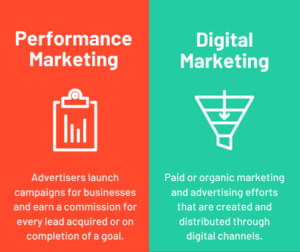
    👉 Marketing = building relationships.
    👉 Performance Marketing = buying results.


    Marketing vs Performance Marketing: Full Comparison Table

    FeatureMarketingPerformance Marketing
    GoalAwareness, trustSales, leads, conversions
    SpeedSlowFast
    CostSpread over timeSpent immediately
    MeasurementHard to track100% measurable
    FocusBrand buildingRevenue generation
    ToolsContent, social media, SEOAds, analytics, targeting
    ROILong-termShort-term + long-term
    Creative StyleStorytelling, brand videosUGC, hooks, demo ads
    Best ForBuilding communityScaling business

    Both are important — but serve different purposes.


    Which One Should a New Brand Focus On?

    ✔ In the beginning → Performance Marketing

    Because you need:

    • reach
    • customers
    • cash flow
    • data
    • real audience
    • fast results

    No brand can grow without ads today.

    ✔ Once consistent → Add Marketing

    Build:

    • brand values
    • community
    • storytelling
    • organic content

    Marketing + Performance together build a strong brand.


    How Performance Marketing Works (Simple Flow)

    Here’s the basic process:

    1️⃣ Build UGC/video creatives
    2️⃣ Launch ads (Meta/Google)
    3️⃣ Test audiences
    4️⃣ Find winning creatives
    5️⃣ Optimize CPC, CTR, CPM
    6️⃣ Scale the budget
    7️⃣ Retarget website visitors
    8️⃣ Reduce CAC
    9️⃣ Increase ROAS
    🔟 Repeat with new UGC

    This is why performance marketing is data-driven.


    Which One Gives More Sales?

    Performance Marketing
    because ads bring instant reach + conversions.

    But performance alone cannot build a long-term brand.

    For example—
    Mamaearth, BoAt, Sugar, Wow Skin Science:
    all scaled with performance marketing,
    and built brand loyalty through regular marketing (content, influencers, community).


    Why UGC Ads Are the Heart of Performance Marketing

    In 2025, performance marketing is driven by UGC because:

    ✔ UGC ads get more reach
    ✔ UGC feels natural (not like an ad)
    ✔ UGC reduces CPC
    ✔ UGC increases CTR
    ✔ UGC improves ROAS
    ✔ UGC gives better watch-time
    ✔ UGC works in Reels, Short, Story ads
    ✔ UGC builds trust instantly

    This is why the biggest D2C brands prefer UGC + Ads over studio shoots.


    Simple Example to Understand the Difference

    Imagine you sell a skincare serum.

    Marketing (Organic)

    • Posting skincare tips
    • Sharing before-after photos
    • Creating a brand story
    • Working with influencers
    • Writing blogs

    This builds awareness — but slow.

    Performance Marketing (Paid Ads)

    • Running UGC video ads
    • Showing demo videos
    • Using testimonial ads
    • Targeting lookalike audiences
    • Retargeting website visitors

    This gives immediate sales.

    Both are needed.
    But performance pushes growth faster.


    When to Use Marketing vs Performance Marketing

    SituationBest Approach
    You just launchedPerformance marketing
    Scaling adsPerformance marketing
    Build communityMarketing
    Increase reachPaid video ads
    Increase trustUGC + testimonials
    Improve brand imageMarketing
    Lower CACPerformance marketing
    Build long-term valueMarketing + Performance

    Final Summary

    ✔ Marketing = awareness + trust

    ✔ Performance marketing = instant measurable results

    ✔ Marketing takes time

    ✔ Performance marketing works fast

    ✔ Both are needed for long-term growth

    ✔ UGC ads are the future of performance marketing


    How Creator Navigator Helps With Performance Marketing Creatives

    Creator Navigator specializes in UGC ads, which are the backbone of performance marketing.

    We create:
    ✔ High-converting UGC videos
    ✔ Scroll-stopping hooks
    ✔ Ad-ready vertical videos
    ✔ Retargeting creatives
    ✔ Testimonial UGC
    ✔ Demo videos
    ✔ 10–20 variations for testing

    We support brands in:
    ✔ Improving ROAS
    ✔ Reducing CAC
    ✔ Increasing reach
    ✔ Scaling ads smoothly